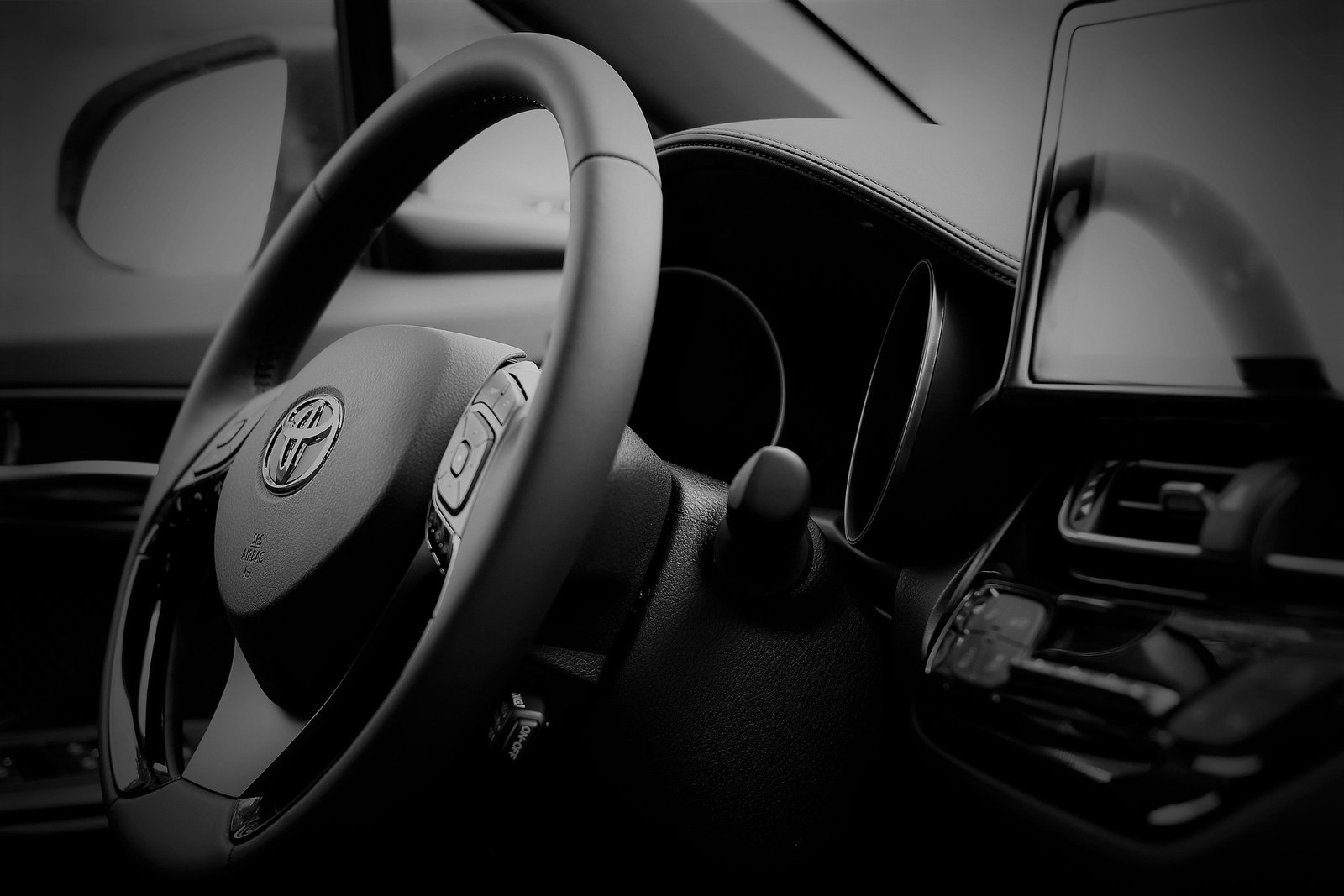
The Toyota GR Supra is approaching the end of its current generation, but the Supra story may be far from over. Toyota has confirmed that production of the fifth-generation GR Supra will end, while reports indicate that the legendary nameplate is expected to continue with a successor. (Toyota PressRoom)
That possibility has created considerable excitement among sports-car enthusiasts. The current GR Supra already offers serious performance, rear-wheel drive and a choice of manual or automatic transmissions. The 2026 model uses a 3.0-liter turbocharged inline-six producing 382 horsepower and 368 lb-ft of torque. (Toyota)
However, reports surrounding the next-generation Supra suggest that Toyota could take a very different approach to power.
One of the most interesting possibilities is a smaller turbocharged engine combined with hybrid technology, potentially producing more than 500 horsepower.
If that happens, the next Supra could become significantly more powerful than the outgoing model while also moving further away from the BMW-developed mechanical formula used by the current generation.
The End of the Current GR Supra
The fifth-generation GR Supra returned in 2019 after a long absence.
Toyota had previously stopped selling the Supra in 2002, leaving enthusiasts without a new generation for many years.
The fifth-generation model finally brought the name back, but its development was unusual.
Toyota worked closely with BMW, resulting in the GR Supra sharing its basic architecture with the BMW Z4.
The arrangement allowed Toyota to bring a modern rear-wheel-drive sports car to market without developing every component independently.
The result was a compact two-seat coupe with a turbocharged engine, rear-wheel drive and strong performance.
The formula worked.
The Supra became one of Toyota’s most recognizable performance models.
But the current generation is now reaching the end of its production cycle.
Toyota’s own information states that production of the fifth-generation Supra is scheduled to end in spring 2026. (Toyota Pressroom)
That does not necessarily mean the Supra name is disappearing again.
Toyota has indicated that the nameplate will live beyond the current generation. (Toyota PressRoom)
A New Supra Is Expected
The next Supra is still surrounded by uncertainty.
Toyota has not publicly revealed every detail of the next-generation production car.
That means reports about its engine, power output, chassis and drivetrain should be treated as possibilities rather than confirmed specifications.
Nevertheless, several reports have suggested that Toyota is developing another Supra.
The most interesting reports suggest that the next model could retain a front-engine, rear-wheel-drive layout while adopting a new Toyota-developed powertrain.
That would represent a major change from the current Supra.
The 500-Plus-Horsepower Rumor
One of the biggest rumors surrounding the next Supra is a potential power output above 500 horsepower.
A Japanese report discussed by Road & Track claimed that Toyota could develop a next-generation Supra producing more than 500 horsepower through a turbocharged 2.0-liter engine combined with an electric motor. (Road & Track)
If that specification becomes reality, the new Supra would have substantially more power than the current 382-horsepower model.
That would be an enormous increase for a relatively compact sports coupe.
It would also demonstrate how Toyota could use hybrid technology to compensate for the smaller engine displacement.
Why Would Toyota Use a Smaller Engine?
At first, moving from a 3.0-liter inline-six to a 2.0-liter four-cylinder might sound like a step backward.
The current Supra’s six-cylinder engine has become one of the defining characteristics of the fifth-generation model.
However, engine displacement is no longer the only way manufacturers create power.
Turbocharging allows a smaller engine to produce substantial output.
Hybrid assistance can add immediate electric torque.
Modern engine management can optimize combustion more precisely.
The result can be a smaller powertrain with performance that exceeds a larger traditional engine.
Toyota is already developing a new 2.0-liter turbocharged four-cylinder engine intended for future performance applications.
Reports have indicated that this engine is being developed with high-output applications in mind. (Zigwheels)
Toyota’s New 2.0-Liter Performance Engine
Toyota has shown that it is not abandoning combustion engines.
Instead, the company is developing new engines designed to meet modern emissions requirements while maintaining strong performance.
One reported version of the new 2.0-liter turbocharged engine is targeting approximately 400 PS and 500 Nm.
That engine is still under development, but its potential application in future sports cars has attracted considerable attention. (Zigwheels)
This is significant because the engine could provide the foundation for a future GR performance model.
The Supra would be an obvious candidate.
Hybrid Assistance Could Change Everything
A high-output 2.0-liter engine producing around 400 PS would already be impressive.
Adding an electric motor could push total system output beyond 500 horsepower.
The electric motor could provide torque immediately while the turbocharged engine delivers sustained power at higher speeds.
That combination would solve one of the biggest challenges of high-performance turbocharging.
The driver would not have to rely entirely on exhaust-driven boost.
Electrical assistance could fill the gap.
Instant Torque From the Electric Motor
Electric motors produce torque almost immediately.
A turbocharged gasoline engine behaves differently.
It needs air, fuel and exhaust energy to build power.
The electric motor can respond almost instantly.
This means a hybrid performance car can feel more responsive at low engine speeds.
The engine can then take over as revs rise.
The combination creates a broader powerband.
For a sports car, this can make a major difference.
A Different Kind of Hybrid
The rumored Supra hybrid would not necessarily be designed for long electric-only driving.
Instead, the electric motor could be used primarily for performance.
The battery could remain relatively compact.
Electrical energy could be used to provide short bursts of additional power.
Regenerative braking could recover energy.
The system could then deploy that energy during acceleration.
This approach is similar to the direction Porsche has taken with its latest performance hybrids.
The objective is not simply efficiency.
It is faster response and greater overall performance.
The Supra’s Traditional Identity
The Supra name has always been associated with straight-line performance, tuning potential and a powerful engine.
The fourth-generation A80 Supra became famous for its 2JZ-GTE twin-turbocharged inline-six.
The current A90/A91 generation brought back a six-cylinder engine, although it came from BMW.
A future Toyota-developed four-cylinder hybrid would therefore represent another major chapter.
Some enthusiasts may question whether a four-cylinder engine can truly replace the emotional appeal of the inline-six.
That debate could become one of the most interesting aspects of the next Supra.
Toyota Could Focus on Response
Toyota may decide that the next Supra does not need to rely entirely on engine displacement.
A smaller engine can reduce weight.
A smaller powertrain can potentially improve packaging.
Hybrid assistance can provide additional torque.
Modern turbocharging can produce high specific output.
The result could be a Supra that is more responsive and agile even if its engine has fewer cylinders.
Weight Will Be Critical
Hybrid systems add components.
A battery adds weight.
An electric motor adds weight.
Additional wiring and control hardware add weight.
If Toyota adds a hybrid system to a sports car, engineers will need to keep the total mass under control.
This could become one of the biggest engineering challenges for the next Supra.
A 500-horsepower sports car is impressive.
A 500-horsepower sports car that remains relatively lightweight would be even more impressive.
Power-to-Weight Ratio
The relationship between power and weight is more important than horsepower alone.
Imagine two cars.
One produces 500 horsepower but weighs 2,000 kilograms.
The other produces 450 horsepower but weighs 1,500 kilograms.
The lighter car can have a significant performance advantage.
Toyota therefore has a strong reason to keep the next Supra compact and relatively light.
The new engine could help.
A smaller four-cylinder engine is naturally more compact than a large six-cylinder.
That could provide opportunities to offset some of the weight added by hybrid components.
Rear-Wheel Drive Could Remain
Reports have suggested that the next Supra could retain rear-wheel drive.
That would be important for enthusiasts.
Rear-wheel drive provides a very different driving experience from an all-wheel-drive sports car.
The driver can influence the car’s balance with throttle input.
The rear tyres remain responsible for transmitting power.
The car can rotate naturally through corners.
Toyota’s GR division has repeatedly emphasized driver engagement.
Keeping rear-wheel drive would fit that philosophy.
Manual Transmission Questions
The current GR Supra is available with a six-speed manual transmission.
That has been an important feature for enthusiasts.
Whether the next generation will retain a manual gearbox is unclear.
Hybrid powertrains can make manual transmissions more complicated.
An electric motor can be integrated into a conventional drivetrain, but packaging and control become more difficult.
Toyota could still decide that a manual transmission is worth preserving.
If it does, the next Supra could become particularly attractive to enthusiasts.
The Automatic Alternative
An automatic transmission would almost certainly remain important.
Modern automatic transmissions can shift extremely quickly.
They can also work closely with hybrid systems.
An electric motor can provide torque during gear changes.
The transmission can keep the engine in its optimal operating range.
For maximum acceleration, an automatic could therefore be the logical choice.
The manual would serve enthusiasts who prioritize involvement.
The automatic would serve drivers who prioritize performance.
Toyota’s GR Philosophy
Toyota Gazoo Racing has developed a strong identity around driver-focused vehicles.
The GR Corolla and GR Yaris demonstrate the company’s willingness to develop specialized performance hardware.
The Supra serves as the flagship sports coupe within the GR lineup.
Toyota has therefore invested heavily in motorsport-derived engineering.
The next Supra will need to meet high expectations.
It cannot simply be a powerful car.
It needs to feel like a GR product.
The Importance of Chassis Balance
A powerful engine is only useful if the chassis can exploit it.
The next Supra will need precise steering.
It will need strong brakes.
It will need a sophisticated suspension.
It will need a limited-slip differential or equivalent torque-management system.
It will need tyres capable of handling the output.
If Toyota delivers more than 500 horsepower, the chassis will have to be developed around that number.
Aerodynamics
The next Supra could also receive more sophisticated aerodynamic development.
Modern performance cars increasingly use airflow management to improve stability.
A front splitter can reduce front-end lift.
A rear spoiler can provide additional rear stability.
Underbody airflow can improve efficiency.
Toyota’s GR motorsport experience could influence the road car.
The objective would be to create useful aerodynamic performance without generating excessive drag.
Cooling Requirements
More power creates more heat.
A high-output turbocharged engine needs substantial cooling.
A hybrid system introduces additional thermal requirements.
The battery, electric motor, inverter and engine all need to operate within appropriate temperature ranges.
Toyota would therefore need a comprehensive cooling strategy.
Large air intakes could become a defining feature of the next Supra.
A New Supra Could Look More Aggressive
The current Supra already has an aggressive design.
The next generation could take that appearance even further.
A more muscular front end could accommodate larger cooling openings.
Wider bodywork could accommodate larger tyres.
A lower roofline could emphasize the sports-car proportions.
Aerodynamic elements could become more prominent.
The overall objective would be to make the new Supra look as serious as its performance.
The Supra Name Carries Weight
Toyota cannot treat the Supra name like an ordinary model designation.
The name has decades of history.
The A80 Supra remains highly respected among enthusiasts.
The fifth-generation model successfully brought the name back into the modern sports-car market.
The next generation therefore needs to continue that legacy.
A powerful hybrid engine could help distinguish it from the previous model.
But Toyota will also need to make sure the car feels emotionally connected to the Supra heritage.
The BMW Connection
The current GR Supra was developed alongside the BMW Z4.
This partnership helped Toyota reduce development costs.
However, it also created controversy among some enthusiasts.
Critics questioned whether the Supra was sufficiently Toyota.
The next generation could provide Toyota with an opportunity to change that perception.
A Toyota-developed engine and Toyota-developed hybrid system would give the new model a stronger technical identity.
A More Independent Supra
If Toyota develops more of the next Supra’s core hardware internally, the car could become more distinct.
The engine could be designed specifically for Toyota’s GR lineup.
The hybrid system could be tuned around the Supra’s performance requirements.
The chassis could be developed independently.
The result could be a vehicle that feels less like a collaboration and more like a complete Toyota performance product.
Toyota’s New Sports-Car Strategy
The potential Supra revival comes at an interesting time for Toyota.
The company is expanding its performance ambitions.
Toyota has confirmed the return of the Celica name, while other reports indicate that additional sports cars are under development. (Motor1.com)
Toyota has also revealed its new GR GT, a much more expensive performance model using a hybrid twin-turbo V8.
The GR GT demonstrates that Toyota is willing to invest heavily in high-performance hybrid technology. (Car and Driver)
The Supra could become a more accessible expression of the same philosophy.
The New Celica Connection
Toyota’s potential return of the Celica adds another layer to the story.
The company is reportedly developing a new Celica with a high-performance turbocharged engine.
Reports suggest the new 2.0-liter G20E engine could produce approximately 400–450 horsepower in certain applications, with even higher outputs possible in motorsport. (Motor1.com)
If Toyota uses related technology in the Supra, the company could create a family of performance cars sharing advanced powertrain technology.
Supra Above the Celica
The Supra would likely remain positioned above the Celica.
The Supra name has traditionally represented a more powerful and premium sports coupe.
The Celica could target a broader audience.
The Supra could use the highest-output version of Toyota’s performance powertrain.
That could justify a higher price and stronger performance.
Potential 500-Plus-Horsepower Output
A system output above 500 horsepower would give the next Supra a major advantage over the current model.
The 2026 GR Supra produces 382 horsepower from its 3.0-liter turbocharged inline-six. (Toyota)
A future hybrid system producing more than 500 horsepower would therefore represent an increase of well over 100 horsepower.
That is a substantial improvement.
But the more important question will be how the power is delivered.
If Toyota creates a smooth, responsive powerband, the car could feel dramatically different.
Acceleration Potential
A 500-plus-horsepower rear-wheel-drive Supra could potentially deliver extremely strong acceleration.
Exact future performance figures are not confirmed.
However, the combination of high power, modern transmission technology and strong rear traction would create the potential for supercar-level acceleration.
Toyota would also need to manage wheelspin carefully.
A large amount of torque delivered instantly through a hybrid system could overwhelm rear tyres if the calibration is too aggressive.
Electronic Differential
An advanced electronic or mechanical limited-slip differential would likely be important.
The differential controls how torque is distributed between the rear wheels.
During cornering, the inside and outside wheels rotate at different speeds.
The differential allows this difference.
A performance-oriented limited-slip system can also help transfer torque to the wheel with greater available grip.
This improves corner-exit acceleration.
The Driver’s Role
Toyota has an opportunity to make the next Supra technologically advanced without making it feel disconnected.
That means giving the driver meaningful control.
Throttle response should be predictable.
Steering should provide useful feedback.
Brake pedal feel should remain consistent.
The transmission should respond quickly.
Driving modes should change the car’s character without hiding the underlying mechanical behavior.
A Modern Supra for a Changing World
The sports-car market is changing rapidly.
Emissions regulations are becoming stricter.
Electric vehicles are becoming more powerful.
Traditional combustion sports cars are becoming increasingly difficult to justify economically.
Toyota’s hybrid strategy could offer a middle ground.
The next Supra could preserve a combustion engine while using electrical technology to improve performance and efficiency.
This could extend the life of the sports coupe.
Why Toyota May Choose Hybrid
Hybridization can provide several benefits.
It can improve low-speed torque.
It can reduce turbo lag.
It can recover energy during braking.
It can provide additional power during acceleration.
It can potentially help reduce emissions.
Most importantly for the Supra, it can make a smaller engine perform like a much larger one.
A Smaller Engine Does Not Mean Less Excitement
Enthusiasts often associate cylinder count with character.
An inline-six has a smooth and distinctive sound.
A four-cylinder produces a different soundtrack.
Toyota would need to make sure the new powertrain still feels special.
Exhaust tuning could play a role.
Engine calibration could play a role.
The hybrid system could add another layer of response.
The goal would be to create a new Supra identity rather than simply copying the old one.
The Future Could Be Faster
If Toyota successfully combines the new 2.0-liter engine with hybrid assistance, the next Supra could be faster than the outgoing model despite having fewer cylinders.
That would be an important demonstration of modern engineering.
The car would rely on technology rather than displacement.
The result could be a compact, powerful and highly responsive sports coupe.
Part 1 Conclusion
The next Toyota GR Supra remains surrounded by unanswered questions, but one thing is becoming increasingly clear: Toyota does not appear to be finished with the Supra name.
The current fifth-generation model is ending production, with Toyota stating that the GR Supra nameplate will continue beyond the current generation. (Toyota PressRoom)
The biggest potential change is the powertrain.
Reports suggest that Toyota could move away from the current BMW-sourced 3.0-liter inline-six and introduce a new Toyota-developed turbocharged 2.0-liter engine, potentially combined with hybrid assistance.
A system output above 500 horsepower has been reported, although Toyota has not confirmed that specification for a production Supra. (Road & Track)
If it happens, the new Supra could become one of the most powerful Toyota sports cars in its class.
The combination of a compact turbocharged engine, electric assistance, rear-wheel drive and a driver-focused chassis could create a very different kind of Supra.
The real challenge will be making sure the technology enhances the driving experience rather than overwhelming it.
For enthusiasts, that will be the key question.
Can Toyota create a hybrid Supra that feels as exciting as the legendary models that came before it?
If the company’s latest performance-engineering direction is any indication, the answer could be very interesting.
A More Powerful Supra Could Change Toyota’s Performance Lineup
If the next-generation Toyota GR Supra receives the rumored hybrid powertrain, it could become one of the most technically advanced sports cars Toyota has ever produced.
The current 2026 GR Supra uses a 3.0-liter turbocharged inline-six with 382 horsepower and offers either a six-speed manual or eight-speed automatic transmission.
The rumored successor could take a completely different route.
Reports have suggested a 2.0-liter turbocharged four-cylinder paired with an electric motor, potentially producing more than 500 horsepower. That specification has not been confirmed by Toyota, so it should be viewed as a reported possibility rather than a final production specification.
If Toyota follows through, the next Supra could become considerably more powerful while using a smaller engine.
Smaller Engine, Greater Output
Moving from six cylinders to four would be a major philosophical change.
The current Supra’s inline-six is one of the most recognizable elements of the fifth-generation car.
However, Toyota’s new performance-engine strategy suggests that the company is increasingly interested in smaller turbocharged engines capable of producing very high output.
A 2.0-liter engine with approximately 400 PS would already be an impressive achievement.
Adding electric assistance could take total system output beyond 500 horsepower.
This would allow Toyota to produce more power from a smaller combustion engine while potentially reducing the physical size of the engine package.
The Electric Motor
The electric motor would be particularly useful at lower engine speeds.
A turbocharged engine needs exhaust energy to produce boost.
An electric motor does not.
It can produce torque almost immediately.
That means the driver could receive strong acceleration before the turbocharged engine reaches its maximum operating range.
As engine speed increases, the gasoline engine would contribute more of the total output.
The combination could produce a much broader powerband than a conventional turbocharged four-cylinder.
More Than a Power Increase
The hybrid system could change the Supra’s character.
The current car delivers power through a conventional combustion engine and transmission.
The rumored successor could have two sources of propulsion working together.
That could make acceleration smoother and more immediate.
Instead of waiting for turbo boost, the electric motor could provide initial torque.
The turbocharged engine could then deliver sustained power.
The transition between the two could be controlled electronically.
Regenerative Braking
The hybrid system could also recover energy while the car slows down.
During braking, the electric motor can operate as a generator.
Kinetic energy is converted into electrical energy.
That energy can then be stored in the battery.
When the driver accelerates again, the stored energy can be deployed through the electric motor.
This creates a continuous performance cycle.
The car recovers energy during deceleration and uses it during acceleration.
Performance Hybrid Instead of Economy Hybrid
The most important distinction is that a future Supra hybrid would likely be performance-focused.
Toyota would not need a huge battery.
A compact battery could provide enough energy for short bursts of electric assistance.
That would reduce some of the weight penalty associated with larger hybrid systems.
The goal would be to improve acceleration and response rather than provide long electric-only driving.
The Weight Challenge
Weight remains one of the biggest questions.
A four-cylinder engine could be lighter than the current inline-six.
However, the hybrid system would add a battery, electric motor, inverter and additional electrical components.
Toyota would therefore need to carefully balance the two.
If the company can keep the final vehicle close to the current Supra’s weight, the result could be extremely impressive.
A relatively lightweight coupe with more than 500 horsepower would have an exceptional power-to-weight ratio.
Power-to-Weight Ratio
Power-to-weight ratio is one of the most important measurements of performance.
A 500-horsepower car weighing significantly less than two tonnes could accelerate extremely quickly.
It could also benefit from stronger braking and cornering performance.
Toyota could use the smaller engine to offset some of the hybrid hardware.
This would be a logical approach.
Instead of adding hybrid technology on top of the existing powertrain, Toyota could redesign the entire car around the smaller engine.
Rear-Wheel Drive
Reports indicate that the rumored Supra successor could retain the traditional front-engine, rear-wheel-drive configuration.
That would be important for the car’s identity.
Rear-wheel drive remains strongly associated with enthusiast sports cars.
It allows the driver to influence the vehicle’s balance through throttle control.
It also gives the Supra a different character from many modern high-performance cars that rely heavily on all-wheel drive.
Why Rear-Wheel Drive Matters
A rear-wheel-drive Supra could remain playful even with a huge increase in power.
The driver could adjust the car’s attitude using the accelerator.
During corner exits, the rear tyres would be responsible for transmitting the power.
An advanced differential could control torque between the rear wheels.
Electronic stability systems could provide additional assistance when necessary.
This would allow Toyota to maintain a driver-focused character.
A Possible Limited-Slip Differential
A performance Supra would likely require a sophisticated rear differential.
A limited-slip differential helps manage torque between the rear wheels.
When one tyre has less grip, the system can prevent excessive wheelspin and help transfer power to the tyre with more traction.
This is especially important when a car produces more than 500 horsepower.
Without effective torque management, much of that power could simply turn into wheelspin.
Corner Exit Acceleration
The rumored hybrid powertrain could be especially useful when exiting corners.
The driver begins applying throttle.
The electric motor responds immediately.
The turbocharged engine begins building boost.
The rear differential manages torque.
The rear tyres transfer the power to the road.
This could produce very strong corner-exit acceleration.
The driver would not have to wait for the engine to build boost before the car starts responding.
Chassis Development
Toyota would need to develop the chassis specifically around the new powertrain.
A more powerful engine requires stronger suspension components.
Higher acceleration requires stronger brakes.
More torque requires better tyres.
Hybrid hardware changes weight distribution.
All of these factors influence the suspension calibration.
The next Supra therefore cannot simply receive a new engine.
It needs a complete performance package.
Suspension Tuning
Toyota’s GR engineers have extensive experience tuning sports cars.
The current Supra already uses adaptive suspension technology.
The next generation could take this further.
The suspension could offer a comfortable road setting and a more aggressive performance setting.
The system could continuously adjust damping according to road conditions.
This would allow the Supra to remain usable every day while retaining strong track capability.
Steering Response
Steering feel will be another important factor.
The current Supra is known for its compact dimensions and responsive handling.
The successor should maintain that character.
Toyota could use an electronically assisted steering system calibrated specifically for the GR model.
The objective would be precise turn-in without making the steering artificially heavy.
Rear-Wheel Steering
Another possibility is rear-wheel steering.
At low speeds, the rear wheels can turn slightly opposite to the front wheels.
This makes the vehicle more agile.
At higher speeds, the rear wheels can turn in the same direction as the front wheels.
That can improve stability.
Whether Toyota uses such technology remains unknown, but it would fit the performance objectives of a higher-powered Supra.
Braking System
A more powerful Supra would require a stronger braking system.
The car would need to repeatedly convert high levels of kinetic energy into heat.
Large brake discs and high-performance calipers would therefore be necessary.
The braking system would also need to work with regenerative braking if the hybrid system uses the electric motor for energy recovery.
The transition between regenerative and conventional braking would need to feel natural.
Brake Feel
Brake pedal feel is especially important in a sports car.
The driver needs to know exactly how much braking force is available.
Too much electronic intervention can make the pedal feel artificial.
Toyota would need to carefully calibrate the system.
The objective would be to make regenerative braking almost invisible to the driver.
When the driver presses the pedal, the car should simply slow down predictably.
Aerodynamics
A more powerful Supra could also receive more aggressive aerodynamic treatment.
The front bumper could feature larger cooling openings.
A front splitter could reduce aerodynamic lift.
Side skirts could manage airflow along the body.
A larger rear spoiler could provide additional stability.
Underbody airflow could also be optimized.
Active Aerodynamics
Toyota could potentially use active aerodynamic components.
These could change position depending on speed and driving mode.
At highway speeds, the system could reduce drag.
During high-performance driving, it could increase aerodynamic support.
This would allow Toyota to balance top speed and cornering stability.
However, active aerodynamic hardware also adds complexity and weight.
Toyota would therefore need to determine whether the benefits justify the additional components.
Cooling the New Engine
A high-output 2.0-liter turbocharged engine would generate significant heat.
The turbocharger itself can reach extremely high temperatures.
The hybrid system adds another thermal-management requirement.
The battery, electric motor and inverter all operate within specific temperature ranges.
The Supra’s cooling system would therefore need to be carefully engineered.
Large Air Intakes
The new Supra could use larger air intakes to support cooling.
That could also influence its exterior appearance.
A more aggressive front fascia would visually communicate the additional performance.
The design would need to balance airflow requirements with aerodynamic efficiency.
Too much open area can increase drag.
Too little can restrict cooling.
Toyota’s engineers would need to find the correct balance.
The Design Could Become More Distinctive
The fifth-generation Supra already has one of the most recognizable shapes in Toyota’s lineup.
The successor could retain the basic proportions while introducing a more modern interpretation.
A long hood, short rear deck and low roofline would preserve the sports-car character.
More pronounced wheel arches could accommodate larger tyres.
The front and rear lighting could become more aggressive.
A New Interpretation of the Supra Face
Toyota’s latest GR models have developed a recognizable performance design language.
The next Supra could combine that language with the familiar Supra silhouette.
The result could be a car that looks clearly related to the current model while still appearing new.
The design will be important because the Supra has always relied heavily on visual identity.
The Rear Design
The rear of the Supra could receive a wider stance.
Larger exhaust outlets could emphasize the combustion engine.
A more pronounced diffuser could improve airflow.
The rear spoiler could provide additional stability.
Hybrid technology would not necessarily require the car to look different from a traditional sports car.
That could be important for enthusiasts.
Exhaust Sound
Engine sound could become one of the most debated aspects of a four-cylinder hybrid Supra.
The current inline-six has a distinctive character.
A four-cylinder engine produces a different sound.
Toyota could use exhaust tuning to make the new engine more aggressive.
The company could also use the electric motor to create a different power-delivery character.
However, enthusiasts will likely compare the new sound directly with the current six-cylinder.
The Inline-Six Legacy
The 3.0-liter inline-six has become an important part of the modern Supra story.
The current model’s engine provides strong power and smoothness.
Replacing it with a four-cylinder could disappoint some traditionalists.
But Toyota could argue that the new system produces substantially more total power.
The question will ultimately be whether the new car feels more exciting to drive.
Supra Enthusiasts Will Have Opinions
The Supra community has always been passionate.
Some enthusiasts prioritize the engine.
Others prioritize handling.
Some care about tuning potential.
Others care about the manual transmission.
The next generation will likely generate intense debate.
A hybrid four-cylinder could be criticized by traditionalists while attracting a new generation of performance-car buyers.
Tuning Potential
One advantage of turbocharged engines is tuning potential.
Modern turbo engines can often be modified through software and hardware upgrades.
A hybrid system introduces additional complexity.
Increasing engine output would require consideration of the electric motor, battery, transmission and cooling system.
Toyota would need to design the system with sufficient durability.
If it does, the aftermarket could become very interested in the new Supra.
The GR Motorsport Connection
Toyota Gazoo Racing has extensive experience with hybrid performance technology.
Toyota’s racing programs have used sophisticated hybrid powertrains at the highest levels of motorsport.
The company has also developed the GR Supra GT4 for customer racing.
The current GR Supra GT4 continues to use a 3.0-liter twin-turbo inline-six.
That motorsport experience provides Toyota with valuable knowledge about thermal management, energy recovery and high-performance powertrain control.
Learning From Racing
Race cars operate under extreme conditions.
Engines run at high loads.
Brakes repeatedly reach high temperatures.
Tyres operate near their limits.
Hybrid systems must deliver consistent energy.
Toyota can use lessons from motorsport when developing road-car technology.
The next Supra could therefore benefit indirectly from the company’s racing programs.
The GR GT Connection
Toyota’s newest GR GT provides another indication of the company’s direction.
The GR GT is being developed with a hybrid twin-turbo V8 targeting approximately 640 horsepower.
That car sits far above the Supra in terms of price and performance.
However, its existence demonstrates that Toyota is comfortable combining hybrid technology with serious performance.
The Supra could become a more affordable interpretation of the same philosophy.
A Family of GR Performance Cars
Toyota appears to be building a broader performance strategy.
The GR Yaris focuses on compact rally-inspired performance.
The GR Corolla brings that approach to a larger hatchback.
The Supra provides the sports-coupe experience.
The GR GT represents an extreme halo model.
If the Celica also returns, Toyota could have a much stronger sports-car lineup than it has had in decades.
Where the Supra Fits
The Supra would likely remain the premium front-engine sports coupe.
It could sit above the Celica and below the GR GT.
That positioning would give Toyota a broad performance range.
The Supra could offer more than 500 horsepower while remaining far more affordable than a supercar.
Price Expectations
Toyota has not confirmed pricing for a future Supra.
A hybrid powertrain and more advanced chassis technology would almost certainly increase development and manufacturing costs.
The current 2026 Supra starts in the mid-$50,000 range in the United States depending on specification.
A future hybrid model producing more than 500 horsepower could command a substantially higher price.
However, Toyota would need to keep the car competitive against other sports coupes.
Competition
A future Supra with more than 500 horsepower would enter a highly competitive segment.
It could face powerful versions of the Nissan Z, BMW M cars, Porsche Cayman and other performance coupes.
Some competitors would offer all-wheel drive.
Others would offer larger engines.
Toyota’s advantage could be the combination of relatively compact dimensions, rear-wheel drive and hybrid performance.
Supra Versus Nissan Z
The Nissan Z remains one of the Supra’s most direct rivals.
The Z uses a twin-turbocharged V6 and emphasizes traditional sports-car character.
A hybrid Supra would take a different approach.
The Nissan would rely primarily on combustion power.
The Toyota would combine combustion and electric power.
That difference could define the two cars.
Supra Versus BMW
The current Supra has a close relationship with BMW.
A future Toyota-developed Supra could become much more independent.
That could change the comparison.
Instead of being closely related to a BMW sports car, the Supra could compete against BMW using its own Toyota-developed technology.
This could strengthen the model’s identity.
Manual Transmission Remains a Major Question
Perhaps the biggest question for enthusiasts is whether Toyota will retain the manual transmission.
The current model’s six-speed manual has become one of its most celebrated features.
A hybrid system makes a manual more difficult to integrate.
But difficulty does not necessarily mean impossibility.
Toyota could potentially develop a sophisticated control strategy that allows the driver to shift manually while the electric motor assists the engine.
Whether the company chooses to do so remains unknown.
Why a Manual Would Matter
A manual gearbox would give the next Supra an important point of differentiation.
Many high-performance hybrid cars use automatic transmissions.
A manual Supra could provide a more traditional driving experience.
The driver would control gear selection directly.
The electric motor could provide additional torque without taking control away from the driver.
If Toyota manages to combine those elements successfully, the result could be highly appealing.
Automatic Performance
For drivers focused purely on acceleration, an automatic transmission would probably remain the faster option.
An automatic can shift without interrupting acceleration.
The hybrid motor can help maintain power during gear changes.
Launch control can optimize acceleration from a standstill.
That would make the automatic version particularly effective for straight-line performance.
Everyday Driving
A new Supra would need to remain usable outside a racetrack.
Toyota cannot expect buyers to tolerate an uncomfortable car simply because it produces more than 500 horsepower.
The suspension would need to work on normal roads.
The transmission would need to operate smoothly in traffic.
The cabin would need to provide modern technology.
The car would need enough storage for weekend travel.
Fuel Economy
Hybrid assistance could also help fuel economy under certain conditions.
The electric motor could reduce the workload on the gasoline engine.
Regenerative braking could recover energy.
The engine could operate more efficiently in some driving situations.
However, a high-performance hybrid Supra would not be designed primarily as an economy car.
When the driver uses all 500-plus horsepower, fuel consumption would inevitably rise.
Emissions Regulations
Hybrid technology could also help Toyota meet increasingly strict emissions requirements.
This is an important factor in the future of sports cars.
Manufacturers need to reduce emissions while maintaining performance.
A hybrid system provides one possible solution.
Toyota could continue offering a combustion engine while using electrical assistance to reduce certain efficiency and emissions challenges.
Extending the Life of the Combustion Engine
The next Supra could therefore represent more than a new model.
It could demonstrate how Toyota intends to keep combustion-powered performance cars alive.
Instead of immediately moving to a fully electric sports car, Toyota could use hybrid technology as a bridge.
The driver still gets a gasoline engine.
But the engine is supported by electric technology.
The Emotional Factor
Numbers will not be enough.
Supra buyers want a car that feels special.
The steering needs to communicate.
The engine needs character.
The throttle needs precision.
The transmission needs to respond.
The chassis needs to inspire confidence.
If Toyota gets those elements right, the engine’s cylinder count may become less important.
The Most Important Question
The biggest question is not whether Toyota can produce 500 horsepower.
Modern engineering makes that achievable.
The question is whether Toyota can produce 500 horsepower without making the Supra too heavy, too complicated or too disconnected.
That will determine whether the new car succeeds.
A Potentially Lighter Powertrain
The smaller four-cylinder engine could provide an opportunity.
Compared with a larger inline-six, the engine itself could occupy less space and potentially weigh less.
Toyota could use the saved weight to offset the hybrid system.
If the battery is compact and carefully positioned, the overall weight could remain reasonable.
Battery Placement
The location of the battery will be important.
Toyota engineers could position it low in the chassis.
That would lower the center of gravity.
They could also place it near the center of the vehicle to reduce its effect on polar moment of inertia.
This would help maintain agility.
Center of Gravity
Sports cars benefit from a low center of gravity.
A lower center of gravity reduces body movement during cornering.
It also makes the car feel more stable.
Hybrid batteries can actually help in this area if they are mounted low.
Toyota could therefore use the hybrid system to improve certain aspects of handling.
Torque Vectoring
An advanced hybrid system could also make torque control more sophisticated.
The electric motor could potentially help manage wheel torque during cornering.
Software could adjust power delivery based on steering angle, wheel speed and throttle position.
This could improve corner-exit behavior.
However, Toyota would need to ensure that electronic control does not remove the natural feel enthusiasts expect.
Driver Modes
A future Supra could offer multiple driving modes.
A normal mode could prioritize smoothness.
A sport mode could sharpen throttle and transmission response.
A track mode could maximize performance.
A custom mode could allow the driver to configure individual systems.
The exact settings are unknown, but this kind of flexibility is increasingly common in modern performance cars.
Track Capability
If Toyota wants the Supra to compete with modern performance cars, track capability will be important.
The car would need strong cooling.
It would need consistent brakes.
It would need durable tyres.
It would need suspension that can handle high loads.
It would need an engine and hybrid system capable of sustained output.
A car that is fast for one acceleration run would not be enough.
Repeated Performance
The real test of a performance hybrid is repeated use.
Can the system deliver maximum power repeatedly?
Can the battery recover enough energy between corners?
Can the cooling system maintain temperatures?
Can the brakes remain consistent?
These questions will matter more than a single acceleration number.
The Supra’s Future Importance
The Supra has become more than just another Toyota.
It represents the company’s commitment to enthusiast cars.
The GR badge has strengthened that identity.
A successful next-generation Supra could demonstrate that Toyota remains serious about performance even as the industry moves toward electrification.
Final Verdict
The next Toyota GR Supra could become a radically different sports car while preserving the fundamental qualities that made the name famous.
The current model ends with a 3.0-liter turbocharged inline-six producing 382 horsepower and offering a six-speed manual or eight-speed automatic.
The rumored successor could instead use a 2.0-liter turbocharged four-cylinder combined with an electric motor.
Reports have suggested a potential system output above 500 horsepower, although Toyota has not confirmed those specifications.
If that configuration becomes reality, the new Supra could deliver substantially more power than the current model while moving into a new era of hybrid performance.
The smaller engine could help with packaging and weight.
The electric motor could improve low-speed response.
Regenerative braking could recover energy.
A compact battery could provide additional performance without the mass of a large plug-in hybrid system.
Rear-wheel drive could preserve the traditional sports-car character.
A sophisticated differential could manage the enormous torque.
Advanced suspension and braking systems could make the car capable on a circuit.
And Toyota’s GR engineering could ensure that the technology remains focused on the driver.
The biggest challenge will be balancing all of these elements.
More power is easy to advertise.
Making more than 500 horsepower feel natural is much harder.
Making a hybrid sports car feel lightweight is harder still.
And making a four-cylinder engine emotionally satisfying to Supra enthusiasts may be the hardest challenge of all.
But Toyota appears to have a strong foundation.
The company continues to invest in performance engines.
It continues to develop GR models.
It continues to use hybrid technology in high-performance applications.
And the current Supra has already demonstrated that Toyota is willing to take risks to keep the name alive.
The future Supra could therefore be more powerful, more technologically advanced and more independent than the current generation.
It could also become a symbol of Toyota’s strategy for the future of performance cars.
Instead of choosing between combustion power and electrification, Toyota could combine both.
The result could be a sports car that produces supercar-level performance while retaining the compact proportions and rear-wheel-drive character that have defined the Supra.
If the rumored 500-plus-horsepower hybrid powertrain becomes reality, the next GR Supra could be one of the most exciting Japanese sports cars of the new generation.
And the most interesting part is that Toyota may not need a massive engine to achieve it.
A compact turbocharged four-cylinder, an electric motor, a carefully engineered chassis and Toyota’s GR performance philosophy could be enough to create an entirely new kind of Supra.
The fifth-generation car may be coming to an end, but the Supra name could be preparing for its most technologically ambitious chapter yet.
What the Next GR Supra Could Mean for Toyota
The possible next-generation Toyota GR Supra represents more than the continuation of a famous sports-car name. It could become an important example of how Toyota plans to keep performance vehicles alive during a period when the automotive industry is moving rapidly toward electrification.
The current Supra demonstrated that Toyota was willing to bring back a dedicated sports coupe after years without one. The next model could take that commitment even further by combining a high-output combustion engine with hybrid assistance.
If the reported 500-plus-horsepower configuration becomes reality, the Supra could move into a completely different performance category.
A New Definition of Performance
For decades, performance was closely associated with engine displacement.
A larger engine generally meant more cylinders, more torque and greater power.
Modern technology has changed that equation.
Turbocharging allows manufacturers to extract more power from smaller engines.
Direct fuel injection improves combustion.
Variable valve timing increases efficiency.
Electronic engine management allows precise control.
Hybrid assistance adds instant torque.
Together, these technologies can make a smaller engine perform like a much larger one.
The next Supra could become one of the clearest examples of this transformation.
The Potential of Toyota’s 2.0-Liter Engine
Toyota’s development of a new high-performance 2.0-liter turbocharged engine is particularly significant.
The company has indicated that it is developing new-generation engines with compact dimensions and strong performance potential.
A reported output around 400 PS from the combustion engine would already put the powerplant into serious performance territory.
If an electric motor contributes additional power, total system output could potentially exceed 500 horsepower.
That would give Toyota an unusual combination.
A small engine.
High specific output.
Electric assistance.
Rear-wheel-drive performance.
And a relatively compact sports-car package.
Why Engine Size Could Become Less Important
The emotional appeal of an engine will always matter to enthusiasts.
However, performance itself does not depend entirely on displacement.
A smaller engine can produce enormous power if the airflow, combustion and turbocharging systems are sufficiently advanced.
The hybrid motor can then provide torque before the combustion engine reaches its strongest operating range.
This means the driver may experience stronger acceleration across a wider portion of the rev range.
The result could be a car that feels more powerful than its engine size suggests.
The Turbocharger Question
Turbocharger technology will likely be central to the next Supra.
A high-output 2.0-liter engine will require significant boost pressure.
The challenge is producing that boost without creating excessive turbo lag.
Modern turbochargers can use lightweight turbine components and sophisticated electronic control to reduce response time.
Hybrid assistance can further improve the situation.
The electric motor can provide immediate torque while the turbocharger builds pressure.
This creates a layered power-delivery system.
A Broader Powerband
The current inline-six delivers a broad torque curve.
Toyota would need to make sure the smaller engine provides a similarly usable powerband.
This is where hybrid assistance could become particularly valuable.
At low engine speeds, the electric motor can provide torque.
In the middle of the rev range, the turbocharged engine becomes increasingly important.
At high engine speeds, the combustion engine can provide sustained power.
The driver therefore receives useful performance throughout the rev range.
Acceleration From a Standstill
Launch performance could be one of the biggest strengths of a hybrid Supra.
A conventional turbocharged rear-wheel-drive car must manage wheelspin while the engine builds boost.
A hybrid system can carefully control the initial torque.
The electric motor can deliver precise amounts of power.
The engine can then add additional output as traction allows.
Electronic launch control can coordinate the throttle, transmission, electric motor and rear differential.
If properly calibrated, the result could be extremely consistent acceleration.
Why Consistency Matters
A sports car does not need to achieve its best acceleration only once.
The best performance cars can repeat their results.
This is where hybrid technology could provide another advantage.
The system can manage energy intelligently.
If the battery has sufficient charge, the electric motor provides additional assistance.
If the battery needs energy, regenerative braking can recover it.
The software can balance performance and energy availability.
Battery Size
A performance hybrid does not necessarily need a large battery.
A relatively small battery can provide short bursts of high electrical output.
This reduces weight.
It also reduces packaging requirements.
The battery does not need to provide dozens of miles of electric-only driving.
Its primary job would be supporting the combustion engine.
That distinction could make the hybrid system much more suitable for a lightweight sports car.
Energy Recovery
During braking, the electric motor can recover energy that would otherwise be lost as heat.
The system stores that energy in the battery.
The energy can later be used during acceleration.
This makes the car more efficient with its available energy.
On a circuit, this could become particularly important.
Heavy braking zones provide opportunities to recover energy.
Acceleration zones then provide opportunities to deploy it.
Hybrid Strategy on a Racetrack
A performance hybrid needs intelligent energy management.
Using all available electric power on the first straight would leave the battery depleted.
The system therefore needs to distribute energy across the lap.
Software can decide when assistance is most valuable.
It could prioritize corner exits.
It could support acceleration after slower corners.
It could reduce assistance at high speeds where aerodynamic drag becomes the dominant limitation.
This kind of energy strategy could make the Supra extremely effective on a circuit.
Corner Exit Advantage
Corner exits are one of the most valuable places to deploy electric torque.
When the car is exiting a slow corner, the driver wants maximum acceleration.
But the rear tyres have limited grip.
An electric motor can deliver torque progressively.
The control system can monitor wheel speed.
If the rear tyres begin to lose traction, torque can be reduced.
This allows the system to maximize usable acceleration.
Traction Management
With more than 500 horsepower, traction management becomes critical.
The rear tyres cannot always use all of the available power.
Electronic systems can monitor wheel speed and throttle position.
The differential can control torque distribution.
The stability system can intervene if necessary.
But Toyota’s engineers will need to ensure that these systems remain smooth.
Too much intervention can make a sports car feel slow and artificial.
The Balance Between Assistance and Freedom
The ideal Supra should not feel like a computer is driving it.
The driver should remain in control.
Electronic systems should support the driver rather than dominate the experience.
This will be especially important for the GR brand.
Toyota has built the GR identity around enthusiast-focused driving.
The next Supra needs to preserve that philosophy.
Manual Transmission Possibility
The manual gearbox remains one of the biggest unanswered questions.
The current Supra’s six-speed manual gave the car strong appeal among enthusiasts.
A future hybrid powertrain could make the engineering more complicated.
The electric motor needs to communicate with the engine and transmission.
Energy regeneration needs to be coordinated with braking.
Torque delivery needs to be synchronized with gear changes.
But none of these challenges automatically makes a manual transmission impossible.
Why Toyota Might Keep the Manual
Toyota has already demonstrated that it understands the emotional value of manual transmissions.
The GR Supra manual became an important part of the fifth-generation model.
The GR Corolla and GR Yaris have also emphasized driver involvement.
Keeping a manual option would allow Toyota to distinguish the Supra from many electronically controlled performance cars.
It could become a major selling point.
The Automatic Would Still Be Important
Even if a manual survives, the automatic would likely remain the performance choice.
A modern automatic can shift extremely quickly.
It can keep the engine within its ideal power range.
It can coordinate with the hybrid system.
It can optimize launch control.
For buyers focused on maximum acceleration, the automatic would likely be the preferred option.
Transmission Strength
A 500-plus-horsepower hybrid powertrain would place significant demands on the transmission.
Torque could be available almost instantly.
The gearbox would need to handle the combined output reliably.
Cooling would become important.
Clutch durability would matter.
Software calibration would also be critical.
Toyota would need to ensure that the transmission could withstand repeated hard launches and track use.
Chassis Stiffness
A powerful sports car needs a rigid chassis.
The suspension can only work effectively if the body structure remains stable.
The next Supra could use additional structural reinforcement.
Lightweight materials could potentially be used in selected areas.
The objective would be to increase rigidity without adding excessive mass.
Lightweight Construction
Toyota may also look at lightweight body components.
Aluminum could be used for selected panels.
Lightweight wheels could reduce unsprung mass.
Carbon-fiber components could be used on higher-performance variants.
However, expensive materials would increase the price.
Toyota would need to balance performance with affordability.
GR Supra Performance Grades
Toyota could potentially expand the Supra lineup.
A standard model could provide strong performance at a relatively accessible price.
A higher-output hybrid version could offer more than 500 horsepower.
A track-focused variant could add aerodynamic and chassis upgrades.
Such a lineup would allow Toyota to target different buyers.
A Potential Track Edition
A track-focused Supra could receive lighter wheels, more aggressive tyres and stronger brakes.
The suspension could become firmer.
The aerodynamic package could generate more downforce.
The interior could receive additional performance-focused equipment.
Weight reduction could become a priority.
Such a model would compete directly with specialized performance versions from European manufacturers.
The Road-Car Version
The standard Supra would still need to remain comfortable.
Most owners will spend much more time on public roads than racetracks.
The car needs to handle traffic.
It needs to work on imperfect roads.
It needs to provide reasonable visibility.
It needs comfortable seats.
It needs modern infotainment.
Performance cannot come at the expense of basic usability.
Interior Development
The next Supra could receive a more distinctive Toyota interior.
The current generation uses many components associated with BMW.
A more Toyota-specific cabin could help strengthen the identity of the next model.
The dashboard could feature a driver-focused layout.
The steering wheel could include physical performance controls.
Digital displays could provide engine and hybrid information.
Driver Information
A hybrid performance car generates more information than a conventional sports car.
The driver may want to see battery charge.
Energy recovery.
Electric assistance.
Engine output.
Transmission status.
Temperatures.
Driving mode.
Toyota could provide this information through the instrument display without making the cabin feel overly complicated.
Infotainment
Modern buyers also expect advanced connectivity.
The next Supra would likely offer a large central display.
Smartphone integration would be important.
Navigation could be integrated.
Audio systems could be upgraded.
But Toyota would need to avoid allowing the screen to dominate the driving experience.
A sports car should still feel physical.
Physical Controls
Physical buttons remain useful for frequently used functions.
Climate controls should be easy to operate.
Driving modes should be accessible quickly.
Important chassis settings should not require multiple touchscreen menus.
This would improve usability during performance driving.
Seating Position
The Supra’s low seating position is part of its character.
The driver sits close to the road.
The dashboard remains relatively low.
The steering wheel is positioned for an engaged driving posture.
The next generation should preserve these qualities.
Visibility
Sports cars often sacrifice visibility for styling.
Toyota will need to balance the two.
A low roofline looks attractive but can reduce rear visibility.
Modern cameras and sensors can help.
However, natural visibility remains important.
The Supra should feel easy to place on the road.
Daily Usability
A major advantage of the Supra has always been that it can be driven regularly.
The next model should preserve that ability.
A comfortable driving mode could soften suspension behavior.
The hybrid system could provide smoother low-speed response.
The automatic transmission could handle traffic.
The cabin could provide modern convenience features.
That combination would make the Supra more versatile than a dedicated track car.
Storage
The Supra will never be a practical family vehicle.
But it does not need to be.
A sports coupe needs enough space for weekend luggage and everyday items.
The rear cargo area and available storage compartments should provide reasonable practicality.
This is one area where a front-engine coupe can be easier to live with than some exotic mid-engine alternatives.
Weather Capability
Rear-wheel drive can be challenging in snow and heavy rain.
However, modern traction control and high-quality tyres can significantly improve stability.
If Toyota develops a rear-wheel-drive hybrid Supra, the electronic systems will be important.
The car should provide predictable behavior when grip is limited.
The Question of All-Wheel Drive
Some reports have mentioned all-wheel-drive possibilities for future Toyota performance models.
However, a traditional Supra retaining rear-wheel drive would be more consistent with its current identity.
All-wheel drive would provide stronger traction.
But it would also add weight and complexity.
Toyota would have to determine which approach better suits the Supra.
Rear-Wheel Drive Has Advantages
Rear-wheel drive keeps the mechanical layout simpler.
It reduces weight.
It provides a more traditional driving experience.
It allows the driver to influence vehicle balance with the accelerator.
For an enthusiast-focused sports coupe, these characteristics are valuable.
All-Wheel Drive Has Advantages Too
All-wheel drive would make it easier to use high power from a standstill.
It would improve traction in poor weather.
It could allow the Supra to achieve extremely quick acceleration figures.
But the added hardware would increase weight.
Toyota therefore has a genuine engineering decision to make.
Supra Versus Celica
Toyota’s decision to revive the Celica name adds another important question.
If both cars return, Toyota needs to clearly separate them.
The Celica could become a smaller, lighter sports coupe.
The Supra could remain the more powerful flagship.
That would allow both models to exist without competing directly.
A Supra With More Than 500 Horsepower
A 500-plus-horsepower Supra would occupy a very interesting position.
It would have more power than many traditional sports cars.
It could approach the performance of more expensive European models.
But Toyota could potentially keep the price below true supercar territory.
That combination could become a major selling point.
Performance for the Money
The Supra has historically provided strong performance relative to its price.
The next generation could continue that tradition.
If Toyota produces more than 500 horsepower while keeping the car reasonably lightweight, the performance-per-dollar equation could be extremely attractive.
That could make the Supra a serious competitor in the high-performance coupe market.
Reliability Expectations
Toyota has built its reputation around reliability.
A high-output hybrid sports car would put that reputation to the test.
Turbochargers.
Hybrid electronics.
Battery systems.
High-performance transmissions.
Complex cooling.
All of these components need to operate reliably.
Toyota would likely place significant emphasis on durability during development.
Long-Term Ownership
A reliable performance car has a major advantage.
Owners can enjoy it for years without constant mechanical problems.
The next Supra will likely attract buyers who intend to keep their cars long-term.
Toyota’s reputation could therefore be an important part of the model’s appeal.
The Aftermarket
The Supra has always had a strong aftermarket following.
Owners modify suspension.
Exhaust systems.
Wheels.
Brakes.
Engine software.
Turbochargers.
The next-generation model could attract an even larger aftermarket if the new engine proves easy to tune.
Hybrid Tuning Challenges
However, hybrid tuning will be more complicated.
Increasing combustion-engine power changes the balance between the gasoline engine and electric motor.
Battery output may need to change.
Cooling requirements may increase.
Transmission software may need recalibration.
The electronic control system becomes much more important.
This could make aftermarket modifications more complex than they are on the current Supra.
Toyota Could Protect the System
Toyota may design the hybrid system with substantial safety margins.
That would help durability.
The company could also restrict certain modifications through software.
This could make the car harder to tune than older turbocharged Supras.
But the aftermarket will likely find ways to work with the new architecture.
The 2JZ Legacy
No discussion of the Supra can ignore the 2JZ.
The fourth-generation Supra became famous partly because its 2JZ-GTE engine developed a reputation for exceptional strength and tuning potential.
Modern Toyota cannot simply recreate that engine.
The industry has changed.
Emissions requirements are stricter.
Fuel economy requirements are stricter.
Modern performance expectations are higher.
The next Supra therefore needs a modern interpretation of the same philosophy.
Building a New Legacy
The new engine does not need to become another 2JZ.
It needs to create its own identity.
If the 2.0-liter hybrid system proves powerful, durable and tunable, enthusiasts may eventually view it as an important Toyota performance engine in its own right.
Every generation of Supra has its own story.
The next generation could create another.
The Emotional Connection
Ultimately, sports cars are emotional products.
Buyers do not purchase them only because of specifications.
They buy them because they enjoy driving.
They like the sound.
They like the feeling of acceleration.
They like the appearance.
They like the connection between driver and machine.
Toyota must therefore make sure the next Supra feels special from the moment the driver sits behind the wheel.
The Importance of Sound and Feel
Even if the new hybrid system makes the car faster, enthusiasts will judge it by the overall experience.
Does the engine sound exciting?
Does the steering communicate?
Does the brake pedal feel natural?
Does the throttle respond immediately?
Does the car rotate naturally?
Does the transmission feel connected?
These details will determine whether the new Supra becomes genuinely loved.
Toyota Has an Opportunity
The next Supra gives Toyota a rare opportunity.
The company can take everything learned from the current generation and build something more independent.
It can use its own engine technology.
Its own hybrid expertise.
Its GR motorsport experience.
Its chassis-development knowledge.
And its understanding of what enthusiasts want.
The Current Supra’s Legacy
The fifth-generation Supra successfully brought the name back after a long absence.
It restored Toyota’s presence in the modern sports-coupe market.
It introduced a powerful turbocharged engine.
It brought back the manual transmission.
It developed a strong enthusiast following.
The next generation has a difficult job because expectations are now higher.
The Successor Needs Its Own Identity
Toyota should not try to make the next Supra simply a more powerful version of the current car.
The new model needs to represent a new era.
Hybrid technology provides an opportunity to do exactly that.
A 500-plus-horsepower system could create a clear technical distinction.
A Toyota-developed engine could create a stronger brand identity.
A new chassis could provide a more distinctive driving experience.
The Future of Japanese Performance
The potential return of a powerful Supra is important beyond Toyota.
Japanese manufacturers have historically produced some of the world’s most memorable performance cars.
The Supra.
Nissan Z.
Honda NSX.
Mazda RX-7.
Mitsubishi Lancer Evolution.
Subaru WRX STI.
Many of these cars became icons because they offered something different from European alternatives.
A new hybrid Supra could continue that tradition.
A Different Answer to Electrification
European manufacturers have increasingly embraced high-performance plug-in hybrids and fully electric performance cars.
Toyota’s approach could be different.
Rather than using a large battery to provide substantial electric range, Toyota could use a compact hybrid system to improve a combustion engine.
That could result in a lighter and more traditional sports car.
Why Enthusiasts May Appreciate It
A hybrid system may initially sound less exciting than a large naturally aspirated engine.
But if it delivers faster response, stronger acceleration and better energy management without destroying the mechanical character, enthusiasts could eventually accept it.
The technology becomes less important when the driving experience is good.
The Ideal Supra
The ideal next Supra would combine several qualities.
It would have more than enough power.
It would remain relatively lightweight.
It would have rear-wheel drive.
It would provide precise steering.
It would offer strong braking.
It would retain an engaging transmission.
It would remain comfortable enough for everyday driving.
And it would use hybrid technology to enhance rather than replace the combustion engine.
The Biggest Risk
The biggest risk is excessive complexity.
Every additional electronic system creates another layer of engineering.
A hybrid powertrain.
Advanced suspension.
Electronic differential.
Active aerodynamics.
Complex software.
All of these can improve performance.
But too much technology can make a car feel disconnected.
Toyota needs to maintain simplicity where it matters.
Driver Engagement Must Come First
The driver should always remain the center of the experience.
Technology should make the car faster.
It should make it safer.
It should make it more responsive.
But it should not make the driver feel like a passenger.
This principle will determine the success of the next Supra.
A Potential Performance Icon
If Toyota gets the balance right, the next Supra could become another performance icon.
The current model has already established a strong foundation.
A more powerful hybrid successor could build on that foundation while introducing an entirely new engineering philosophy.
The car could become a bridge between traditional combustion sports cars and the increasingly electrified future.
Final Thoughts
The next Toyota GR Supra has the potential to become one of the most interesting performance cars of the coming generation.
The current model is ending production after establishing a strong modern identity.
Toyota has confirmed that the Supra name will continue beyond the fifth generation, but detailed production specifications for the successor have not yet been officially announced. (pressroom.toyota.com.au)
That uncertainty makes the reported powertrain particularly interesting.
A 2.0-liter turbocharged engine combined with hybrid assistance could potentially produce more than 500 horsepower.
If Toyota achieves that target, the next Supra could have considerably more power than the outgoing 382-horsepower model.
But power alone will not define it.
The real achievement would be creating a car that remains lightweight, responsive and emotionally engaging.
The electric motor could provide immediate torque.
The turbocharger could deliver sustained power.
The battery could recover and release energy.
The rear differential could manage traction.
The suspension could keep the body controlled.
The brakes could provide repeated stopping power.
The aerodynamic system could improve stability.
And the driver could remain at the center of the entire experience.
That is the formula Toyota should aim for.
The next Supra does not need to copy the old Supra.
It needs to create a new reason for enthusiasts to love the name.
The legendary 2JZ created one generation of Supra heroes.
The BMW-based inline-six created another.
A Toyota-developed turbocharged hybrid could create the next.
If Toyota succeeds, the next GR Supra could prove that a smaller engine does not necessarily mean a smaller experience.
It could prove that hybrid technology can make a sports car more exciting rather than less.
And it could show that the future of performance does not have to be defined by enormous batteries or completely silent electric motors.
There may still be room for turbocharged combustion engines.
There may still be room for rear-wheel drive.
There may still be room for manual transmissions.
And there may still be room for sports cars built primarily for people who enjoy driving.
The Supra has survived because Toyota has been willing to evolve it.
The next generation could be its biggest evolution yet.
With the possibility of more than 500 horsepower, advanced hybrid assistance and a new Toyota-developed performance engine, the future GR Supra could become faster, more responsive and more technologically advanced than anything that has carried the name before.
For enthusiasts, the most important thing will be simple.
When the driver presses the accelerator, turns the steering wheel and pushes the car into a corner, it needs to feel like a Supra.
If Toyota can deliver that feeling while adding a new generation of technology, the next GR Supra could become another chapter in one of Japan’s most famous performance-car stories.