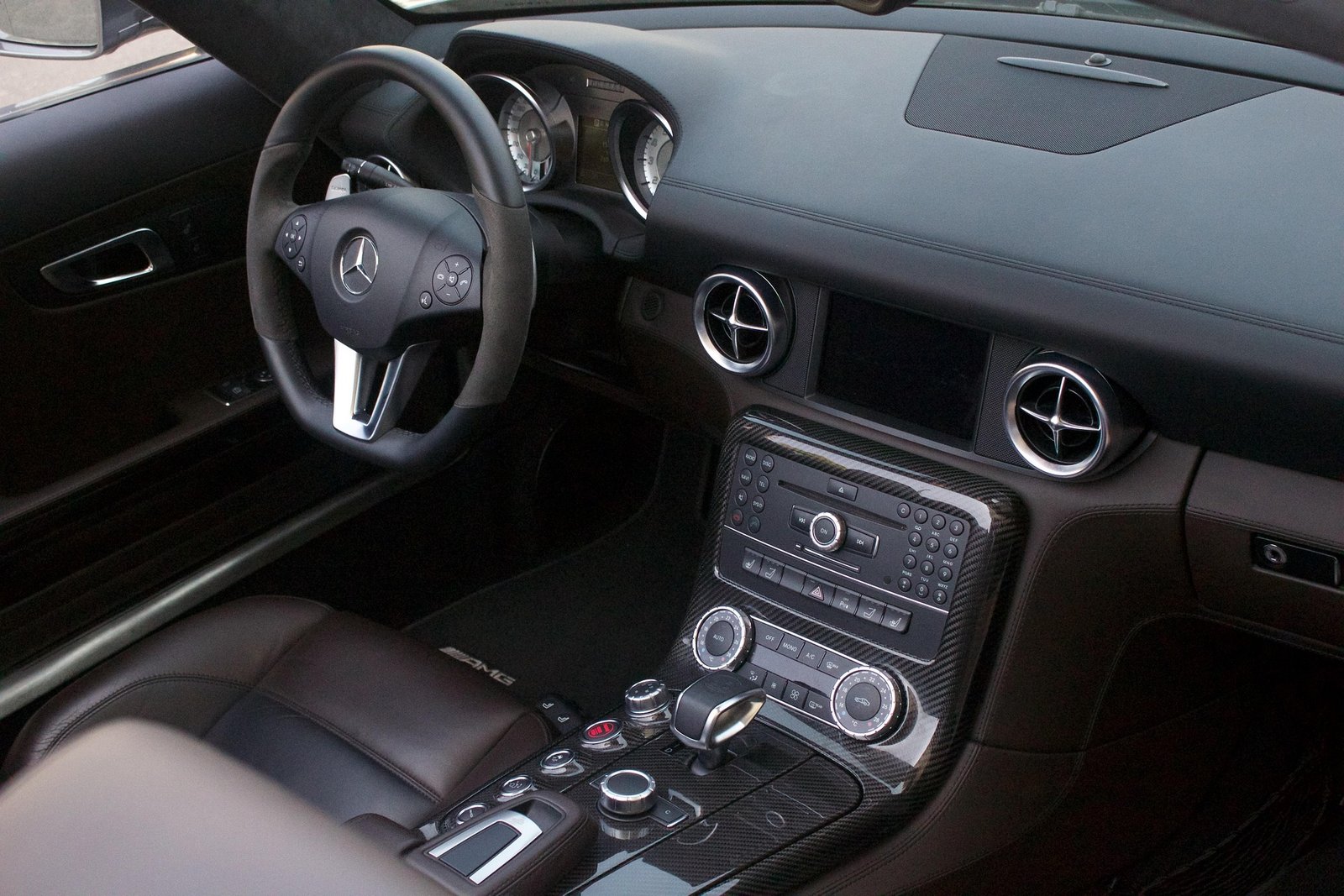
The Mercedes-AMG GT 63 Pro 4MATIC+ is not simply a more powerful version of the AMG GT. It is a performance-focused machine developed to deliver serious track capability while remaining usable as a road car.
At the center of the GT 63 Pro is a 4.0-liter twin-turbocharged V8 producing 612 horsepower and 850 Nm of torque. Power is sent through an AMG Speedshift MCT 9G transmission and the fully variable AMG Performance 4MATIC+ all-wheel-drive system. (Mercedes-Benz Media)
The combination gives the GT 63 Pro an enormous amount of performance potential.
But the most interesting part of this car is not simply the engine.
Mercedes-AMG has worked extensively on cooling, aerodynamics, braking, suspension, tyres and traction control to make sure the additional performance can actually be used.
That is what separates the GT 63 Pro from an ordinary high-powered luxury coupe.
A GT Built Around Performance
The Mercedes-AMG GT already occupies an important position in the AMG range.
It combines the proportions of a traditional sports car with the technology expected from a modern Mercedes-Benz.
The GT 63 Pro takes that formula and moves it toward the racetrack.
The goal is not just to produce a large number on a specification sheet.
The goal is to create a car capable of maintaining performance during repeated hard driving.
That requires much more than horsepower.
The 4.0-Liter Twin-Turbo V8
The heart of the GT 63 Pro is AMG’s 4.0-liter V8 biturbo engine.
The engine produces 612 horsepower and 850 Nm of maximum torque in the production specification. (Mercedes-Benz Media)
Those figures give the GT 63 Pro the kind of power normally associated with much more extreme performance cars.
The V8 configuration also provides a distinctive character.
Turbocharging increases the amount of air entering the engine.
More air allows more fuel to be burned.
The result is a large amount of power from a relatively compact engine.
Twin Turbochargers
The engine uses two turbochargers to increase performance.
Turbochargers use exhaust gases to spin turbines.
The turbines drive compressors that force additional air into the engine.
This allows the V8 to produce significantly more power than a naturally aspirated engine of similar displacement.
The challenge is maintaining quick response.
AMG’s engine management and turbocharger technology are designed to provide strong response across the rev range.
850 Nm of Torque
The 850 Nm torque figure is particularly important.
Torque determines how strongly the engine can accelerate the car.
A large torque output allows the GT 63 Pro to build speed rapidly without requiring the driver to keep the engine at extremely high rpm.
This makes the car effective both on the road and on the circuit.
When the driver exits a corner, the engine can deliver a huge amount of torque.
The all-wheel-drive system then determines how much of that power can be transferred to the road.
Power Delivery
The character of the GT 63 Pro comes from the way its power is delivered.
The V8 provides strong low-end torque.
The turbochargers maintain pressure as engine speed increases.
The transmission keeps the engine within an effective operating range.
The all-wheel-drive system manages traction.
These systems work together rather than operating independently.
AMG Speedshift MCT 9G
The GT 63 Pro uses the AMG Speedshift MCT 9G nine-speed transmission. (Mercedes-Benz Media)
The transmission is designed specifically for high-performance applications.
It can change gears rapidly while maintaining strong power delivery.
The driver can also take control through manual shifting when desired.
This gives the GT 63 Pro two personalities.
It can behave like a sophisticated automatic grand tourer during normal driving.
It can also become extremely aggressive when the driver selects a performance setting.
Why Nine Speeds Matter
A nine-speed transmission provides a wide range of ratios.
Lower gears allow strong acceleration.
Higher gears reduce engine speed during cruising.
This can make the vehicle more comfortable during long-distance driving.
During performance driving, the transmission can select shorter ratios to keep the engine in its strongest operating range.
Fully Variable All-Wheel Drive
One of the most important technologies in the GT 63 Pro is AMG Performance 4MATIC+.
The system can vary torque distribution between the front and rear axles.
This allows the car to adapt to different driving conditions.
On a wet road, additional front-axle torque can improve traction.
During aggressive cornering, the system can optimize the distribution to improve handling.
During acceleration, it can send power where it can be used most effectively.
Traction at High Power
612 horsepower and 850 Nm are more than enough to overwhelm a rear-wheel-drive car’s tyres under certain conditions.
The all-wheel-drive system provides an important advantage.
It allows the car to use more of the engine’s output.
Instead of relying entirely on two rear tyres, the vehicle can distribute torque across all four wheels.
This becomes particularly valuable when accelerating out of slower corners.
The First AMG F1 Safety Car With Fully Variable AWD
The GT 63 Pro has also gained a unique role in motorsport.
Mercedes-AMG selected the GT 63 Pro 4MATIC+ as the Official FIA Formula 1 Safety Car beginning in July 2026.
It replaces the AMG GT Black Series that had served as the safety car since 2022. (Mercedes-Benz Media)
This is significant because the GT 63 Pro becomes the first official F1 Safety Car to use fully variable all-wheel drive.
That gives the model an unusual connection between road-car development and Formula 1 operations.
From Road Car to Safety Car
The standard production GT 63 Pro already has serious track capability.
For its F1 Safety Car role, Mercedes-AMG further developed the aerodynamics and added FIA-specific equipment.
The safety car receives a modified front splitter, additional front aerodynamic elements and a modified rear wing with an active flap. (Mercedes-Benz Media)
The production car therefore provides the foundation for a vehicle capable of operating in an extreme motorsport environment.
Aerodynamics
Aerodynamics play an increasingly important role in modern performance cars.
At high speeds, air creates significant forces.
If those forces are not controlled, the vehicle can become unstable.
The GT 63 Pro uses aerodynamic components to improve stability.
The front splitter helps manage airflow beneath the car.
Additional front aerodynamic elements generate more support at the front axle.
The rear wing contributes to high-speed stability.
Front-Axle Downforce
Front-end stability is particularly important during high-speed cornering.
If aerodynamic lift becomes too strong at the front, steering response can become less predictable.
AMG’s aerodynamic development aims to keep the front tyres planted.
This allows the driver to maintain confidence while entering high-speed corners.
Rear Stability
The rear wing helps balance the aerodynamic forces.
The objective is not simply to create maximum downforce.
Too much downforce can increase drag.
That can reduce top speed.
AMG therefore has to find a balance between stability and aerodynamic efficiency.
The Importance of Cooling
A high-performance V8 generates enormous amounts of heat.
The turbochargers create additional thermal loads.
The transmission also generates heat during aggressive driving.
The brakes must absorb huge amounts of energy.
The cooling system therefore becomes a critical component of the GT 63 Pro.
AMG states that the production vehicle’s high-performance cooling system already meets demanding track-use requirements. (Mercedes-Benz Media)
Track-Day Durability
Many performance cars can produce impressive acceleration for a short period.
The real challenge comes when the car is driven hard repeatedly.
A track session can place continuous stress on the engine, transmission, brakes and tyres.
The GT 63 Pro is designed to cope with that environment.
Its cooling system is part of the reason.
The objective is to maintain performance rather than allowing temperatures to force the car into reduced output.
Ceramic Brakes
The GT 63 Pro comes with an AMG high-performance ceramic composite braking system. (Mercedes-Benz Media)
This is one of the most important upgrades for serious performance driving.
Braking from high speeds generates enormous heat.
Ceramic brake systems are designed to remain consistent under extreme thermal loads.
That is essential when a car has the acceleration capability of the GT 63 Pro.
Why Braking Is as Important as Power
A car cannot be fast around a track simply because it accelerates quickly.
It also needs to stop quickly.
Every straight ends with a braking zone.
The later the driver can brake while maintaining control, the more speed can be carried into the next corner.
Strong brakes therefore directly contribute to lap-time performance.
Six-Piston Front Calipers
The F1 Safety Car specification uses six-piston fixed calipers at the front with high-performance ceramic composite discs. (Mercedes-Benz Media)
The front brakes perform a large share of the braking work because weight transfers forward under heavy braking.
Strong calipers help distribute braking force across the brake pad.
This contributes to consistent braking performance.
Brake Consistency
Brake fade is one of the biggest problems during track driving.
As temperatures rise, some braking systems can lose performance.
The driver then needs to apply more pressure to achieve the same deceleration.
That makes braking less predictable.
The GT 63 Pro’s ceramic system is designed to maintain consistent performance under heavy loads.
AMG Active Ride Control
The GT 63 Pro also benefits from AMG Active Ride Control with active roll stabilization.
The system controls body movement during cornering.
When a car enters a corner at high speed, the body naturally wants to roll outward.
Too much body roll can affect tyre contact and steering response.
Active roll stabilization helps keep the vehicle more controlled.
Why Controlling Body Roll Matters
A flatter car is not automatically faster.
But controlling unnecessary body movement allows the suspension to focus on keeping the tyres connected to the road.
This can improve steering response.
It can improve stability.
It can also make the car easier for the driver to position accurately.
Suspension Versatility
The GT 63 Pro is not designed only for the racetrack.
It still needs to function as a road car.
That means the suspension needs to provide comfort when required.
The adaptive systems allow AMG to create different characteristics depending on the selected driving mode.
A softer setting can make long-distance driving easier.
A more aggressive setting can provide sharper responses.
Cornering Behavior
The combination of active suspension, all-wheel drive, steering and tyres creates the GT 63 Pro’s cornering behavior.
The front axle needs to respond quickly.
The rear axle needs to maintain traction.
The suspension needs to control body movement.
The electronic systems need to work without becoming intrusive.
This is where the engineering behind the car becomes more important than the engine itself.
Tyres
Tyres are the only components actually connecting the vehicle to the road.
All of the engine power and electronic technology ultimately has to pass through four contact patches.
For the F1 Safety Car, Mercedes-AMG uses Pirelli P Zero R ultra-high-performance tyres developed for track performance and precise steering feel. (Mercedes-Benz Media)
The tyres were validated with AMG at the Nürburgring and in Nardò. (Mercedes-Benz Media)
High-Performance Rubber
Performance tyres use specialized compounds designed to generate high levels of grip.
The compromise is durability.
A tyre designed primarily for maximum cornering performance will generally wear faster than an ordinary road tyre.
That is acceptable for a vehicle designed to provide serious track capability.
Steering Precision
A high-performance car requires precise steering.
The driver needs to know how quickly the front axle will respond.
Too much steering input can upset the car.
Too little response makes the vehicle feel slow.
AMG has focused heavily on precise turn-in for the GT 63 Pro.
Mercedes-AMG describes the car as having exceptional agility and precise turn-in, particularly under demanding track conditions. (Mercedes-Benz Media)
The Importance of Turn-In
Turn-in is the moment when the driver begins entering a corner.
This is where the car’s front-end response becomes obvious.
A responsive front axle allows the driver to position the car accurately.
The GT 63 Pro’s aerodynamic and suspension technologies are designed to support that response.
Mid-Corner Stability
Once the car is committed to a corner, stability becomes crucial.
The driver needs confidence that the vehicle will maintain its line.
The suspension controls body movement.
The tyres provide lateral grip.
The all-wheel-drive system manages torque.
The aerodynamic package increases stability as speed rises.
Together, these systems allow the GT 63 Pro to remain composed through demanding corners.
Corner Exit
The final stage is acceleration out of the corner.
This is where the V8’s 850 Nm becomes particularly useful.
The all-wheel-drive system can distribute torque to maximize traction.
The transmission selects an appropriate gear.
The tyres transmit the power.
The result is strong acceleration toward the next straight.
The Balance of Power and Control
The GT 63 Pro demonstrates an important principle of performance-car engineering.
Power is only useful when it can be controlled.
A 612-horsepower engine would be difficult to exploit if the suspension, tyres and drivetrain could not handle it.
AMG has therefore developed the car as a complete system.
A Grand Tourer With Track Ambitions
Despite all of its performance hardware, the GT 63 Pro remains a Mercedes-AMG GT.
That means it is not stripped down like a dedicated racing car.
The cabin remains luxurious.
The technology remains extensive.
The car can still be driven on public roads.
That combination gives it a broad range of abilities.
Long-Distance Performance
The GT 63 Pro can be used for long-distance travel.
The transmission can cruise smoothly.
The engine does not need to operate at high rpm during highway driving.
The suspension can be adjusted for comfort.
The cabin provides the level of refinement expected from a premium Mercedes-AMG product.
Luxury and Performance
This balance is one of the most interesting aspects of the car.
The GT 63 Pro can behave like a luxury grand tourer.
But underneath that character is a car capable of serious track performance.
The driver can access the more aggressive side of the vehicle through the available driving systems.
The AMG Personality
AMG vehicles traditionally combine luxury with aggressive performance.
The GT 63 Pro pushes that philosophy further.
It does not look like a basic sports car.
Its proportions are elegant.
But the aerodynamic elements, large wheels and aggressive details communicate its performance potential.
Exterior Design
The GT 63 Pro’s long hood and low roofline create classic sports-car proportions.
The cabin sits toward the rear.
The front end provides room for the V8 and cooling hardware.
The wide stance emphasizes stability.
The overall design makes the vehicle look fast even when stationary.
Wide Body Proportions
A high-performance car needs space for large tyres.
The GT 63 Pro’s body provides the necessary width.
Large tyres increase the available contact patch.
This allows the car to transmit more braking and cornering force.
The wide stance also contributes visually to the car’s aggressive appearance.
Front-End Design
The front of the GT 63 Pro has a strong AMG identity.
Large air openings support cooling.
The grille maintains the characteristic AMG appearance.
The aerodynamic elements add functional performance.
Nothing is purely decorative on a car designed for serious track use.
Rear-End Design
The rear features a strong aerodynamic presence.
The rear wing contributes stability.
The diffuser manages airflow beneath the car.
The exhaust outlets emphasize the V8 engine.
The design communicates the vehicle’s performance mission.
The Sound of the V8
One of the biggest emotional attractions of the GT 63 Pro is its V8.
The sound of a twin-turbocharged V8 gives the car a character that electric performance vehicles cannot reproduce in the same way.
The engine note changes with throttle position and engine speed.
Under acceleration, the V8 produces a deep, forceful sound.
That acoustic experience remains an important part of AMG’s identity.
Why Sound Still Matters
Performance is not only about numbers.
The sound of an engine contributes to the driver’s perception of speed.
It provides feedback.
The driver hears the engine rising through the rev range.
The sound changes as the transmission shifts.
This creates an emotional connection between the driver and the machine.
The GT 63 Pro and Modern Performance
The modern performance-car market is changing rapidly.
Many manufacturers are moving toward hybrid and electric powertrains.
Yet the GT 63 Pro demonstrates that the traditional V8 performance formula remains highly relevant.
The car uses advanced electronics and sophisticated chassis systems without abandoning its combustion engine.
AMG’s Future Direction
Mercedes-AMG is simultaneously developing electric performance technology.
The company’s newer AMG.EA architecture uses advanced axial-flux electric motors and high-performance battery technology. (Mercedes-Benz Media)
That means AMG is preparing for an electric future while continuing to develop powerful combustion-powered models.
The GT 63 Pro represents one side of that transition.
The Importance of the V8
For AMG enthusiasts, the V8 remains an important part of the brand.
It represents decades of performance-car development.
The GT 63 Pro continues that tradition.
At the same time, its advanced chassis technology shows how much performance engineering has evolved.
Performance Without Compromise
The biggest achievement of the GT 63 Pro is the combination of different abilities.
It is powerful.
It is fast.
It can corner aggressively.
It can brake repeatedly.
It has sophisticated all-wheel drive.
It has advanced suspension.
It has strong cooling.
It remains comfortable enough for road use.
Few cars can combine all of these characteristics successfully.
A Car Designed for Track Days
The GT 63 Pro is particularly interesting for drivers who want to take a road car to the circuit.
The car does not require extensive modifications before being used on a track.
The brakes are designed for heavy loads.
The cooling system is designed for demanding operation.
The tyres are performance-focused.
The suspension provides strong control.
The aerodynamic package supports high-speed stability.
Why Track Capability Matters
A performance car’s true character becomes obvious on a circuit.
Public roads limit how much of a car’s performance can safely be used.
A racetrack provides controlled conditions where acceleration, braking and cornering can be explored.
The GT 63 Pro is designed specifically with that environment in mind.
F1 Safety Car Credentials
The car’s selection as the official F1 Safety Car provides additional validation.
The Safety Car must operate at high speeds.
It needs reliable braking.
It needs strong cooling.
It needs predictable handling.
It must be capable of maintaining pace while providing stable conditions for Formula 1 cars.
The GT 63 Pro’s selection demonstrates that Mercedes-AMG considers its basic platform suitable for those demands. (Mercedes-Benz Media)
But the Safety Car Is Different
It is important to distinguish the production GT 63 Pro from the FIA Safety Car.
The F1 version receives additional modifications.
It has a roll cage.
It uses racing bucket seats and six-point harnesses.
It includes FIA communication equipment.
It also receives additional aerodynamic and lighting systems. (Mercedes-Benz Media)
Those features are not representative of a standard road-going GT 63 Pro.
The Safety Car’s Role
The Safety Car needs to control the Formula 1 field during incidents.
It must be fast enough to maintain tyre and brake temperatures in the F1 cars.
It must also remain predictable.
The driver needs precise control.
That makes the GT 63 Pro a logical choice for the role.
A Major Upgrade Philosophy
The GT 63 Pro is best understood as a complete performance upgrade rather than simply an engine upgrade.
AMG has worked on every major system.
Power.
Cooling.
Brakes.
Aerodynamics.
Suspension.
Tyres.
Traction.
The result is a car designed to operate at a higher performance level.
What Makes the Pro Different
The “Pro” designation signals that the focus is on drivers who want more capability.
The car is not simply intended to be comfortable and fast.
It is designed to provide stronger performance during demanding driving.
That makes it particularly attractive to enthusiasts who want a road car capable of serious track work.
The Everyday Compromise
The more performance AMG adds, the more compromises inevitably appear.
Performance tyres can be expensive.
Ceramic brakes are expensive.
Fuel consumption is significant.
The vehicle is large and heavy compared with smaller sports cars.
Its technology is complex.
But these compromises are part of owning a high-performance GT.
Weight and Size
The GT 63 Pro is not a lightweight sports car.
It is a substantial machine.
That makes its performance even more impressive.
The challenge for AMG is controlling the effects of the vehicle’s mass.
Active suspension helps.
All-wheel drive helps.
Power helps.
Large brakes help.
Aerodynamics help.
The goal is to make the car feel smaller and more agile than its physical dimensions suggest.
Why the GT 63 Pro Feels Like a Supercar Alternative
The car occupies an interesting space between a luxury GT and a supercar.
It has the comfort and technology of a premium Mercedes.
But its performance capabilities approach those of far more exotic vehicles.
This makes it attractive to buyers who want extreme performance without giving up daily usability.
The GT 63 Pro as a Driver’s Car
Despite its luxury positioning, the GT 63 Pro is fundamentally a driver’s car.
The steering.
The brakes.
The throttle.
The transmission.
The suspension.
All are designed around driver control.
The electronic systems support the driver rather than simply trying to isolate the occupants from the road.
The Technology Behind the Performance
The GT 63 Pro demonstrates how modern performance cars have become highly integrated systems.
The engine provides power.
The transmission controls the delivery.
The drivetrain manages traction.
The suspension controls movement.
The brakes control speed.
The aerodynamics manage airflow.
The software connects all of these systems.
The driver experiences the result as one vehicle.
What Comes Next
The GT 63 Pro is unlikely to be the final word in AMG performance.
Mercedes-AMG continues to develop new technologies.
The company’s AMG.EA electric architecture is introducing extremely high-output electric powertrains, while combustion-powered AMG models continue to evolve. (Mercedes-Benz Media)
The GT 63 Pro therefore exists during an important transitional period.
It represents one of the most advanced versions of AMG’s V8 performance philosophy.
Part 1 Conclusion
The Mercedes-AMG GT 63 Pro 4MATIC+ takes the already powerful AMG GT formula and pushes it toward a much more focused performance level.
Its 4.0-liter twin-turbo V8 produces 612 horsepower and 850 Nm.
Its fully variable AMG Performance 4MATIC+ all-wheel-drive system provides strong traction.
Its AMG Speedshift MCT 9G transmission delivers the power to the wheels.
Its ceramic braking system is designed for repeated high-load use.
Its active suspension controls body movement.
Its high-performance cooling system supports demanding track operation.
And its aerodynamic package helps improve stability at high speeds. (Mercedes-Benz Media)
The car’s recent selection as the official FIA Formula 1 Safety Car makes its performance credentials even more interesting.
Mercedes-AMG has now placed the GT 63 Pro at the center of its modern motorsport safety-car program, replacing the AMG GT Black Series from July 2026. (Mercedes-Benz Media)
That role demonstrates how much engineering has gone into the production model.
But the GT 63 Pro is not simply a racing machine disguised as a road car.
It remains a luxury grand tourer capable of comfortable everyday driving.
That combination is what makes it special.
It offers the comfort expected from Mercedes-AMG while providing the hardware necessary for serious track performance.
The result is a vehicle that takes the AMG GT concept to a much more extreme level.
Acceleration That Matches the GT 63 Pro’s Ambition
The Mercedes-AMG GT 63 Pro is designed around one central idea: performance should remain available repeatedly, not just for a single acceleration run.
Its 4.0-liter twin-turbocharged V8 produces 612 horsepower and 850 Nm of torque, while AMG Performance 4MATIC+ distributes that power across the four wheels.
That combination gives the GT 63 Pro the ability to launch aggressively while maintaining stability as speed increases.
The important difference is how many systems are working together.
The engine creates the power.
The transmission controls it.
The all-wheel-drive system determines where it goes.
The tyres provide the grip.
The suspension keeps the body controlled.
The brakes prepare the car for the next corner.
This is what turns the GT 63 Pro from a powerful grand tourer into a serious performance machine.
Massive Torque at the Driver’s Command
The 850 Nm torque figure gives the GT 63 Pro enormous flexibility.
The driver does not need to wait for extremely high engine speeds to access strong acceleration.
Torque arrives across the usable rev range, allowing the car to build speed rapidly.
On a highway, this means effortless overtaking.
On a racetrack, it means powerful acceleration between corners.
The twin-turbo V8 gives the car a deep reserve of power that can be accessed whenever the accelerator is pressed.
Power Through Four Wheels
The AMG Performance 4MATIC+ system is one of the defining features of the GT 63 Pro.
Instead of locking the car permanently into one fixed front-to-rear torque distribution, the system can vary how much power is sent to each axle.
This gives AMG engineers considerably more freedom when tuning the car.
The vehicle can prioritize traction when necessary.
It can also emphasize rear-driven behavior when conditions allow.
That flexibility helps the GT 63 Pro behave like multiple cars depending on the driving situation.
Launching the GT 63 Pro
From a standstill, all-wheel drive provides a major advantage.
The engine can generate enormous torque, but the tyres can only transmit a limited amount of force to the road.
Sending power through four wheels gives the system more available traction.
Electronic controls can manage the launch to reduce unnecessary wheelspin.
The result is strong, repeatable acceleration.
The Transmission’s Role
The AMG Speedshift MCT 9G transmission is equally important.
Nine ratios give the gearbox a broad range of operating possibilities.
The lower gears deliver strong acceleration.
The higher gears allow relaxed cruising.
During aggressive driving, the transmission can rapidly move between ratios to keep the V8 in its strongest operating range.
The driver can also manually select gears when greater control is desired.
Gear Changes Under Hard Acceleration
During a hard acceleration run, a poorly calibrated transmission can interrupt the experience.
The GT 63 Pro’s transmission is designed to minimize that interruption.
Gear changes happen quickly.
The engine returns to its powerband rapidly.
The driver therefore experiences a continuous surge of acceleration rather than a series of disconnected bursts.
Performance Driving Modes
Modern AMG vehicles use sophisticated electronic driving modes to change the personality of the car.
The GT 63 Pro can be adjusted according to the driver’s priorities.
A more relaxed setting can make everyday driving smoother.
A sportier setting increases responsiveness.
More aggressive modes allow the chassis, drivetrain and engine to operate closer to their performance limits.
This flexibility is important because the GT 63 Pro is still a road car.
Everyday GT Character
The car does not need to be driven aggressively all the time.
During normal driving, the V8 can provide effortless performance without requiring constant high-rpm operation.
The automatic transmission can handle routine traffic.
The suspension can be configured for greater comfort.
The cabin remains quiet and sophisticated compared with a dedicated race car.
This dual personality is one of the GT 63 Pro’s biggest strengths.
Turning Performance Into Lap-Time Performance
Straight-line speed is only one part of a fast lap.
A car needs to carry speed into corners.
It needs to remain stable under braking.
It needs to rotate accurately.
And it needs to accelerate quickly when the corner ends.
The GT 63 Pro’s chassis technologies are designed around this entire sequence.
Entering a Corner
As the driver approaches a corner, braking becomes the first priority.
The ceramic brakes provide strong stopping capability.
Weight transfers toward the front axle.
The suspension controls that movement.
The tyres maintain contact with the road.
The driver then begins turning the steering wheel.
At this moment, front-end response becomes extremely important.
Precise Turn-In
A performance car needs to respond predictably when the driver turns.
If the front end reacts too slowly, the car feels heavy.
If it reacts too aggressively, the vehicle can become difficult to control.
The GT 63 Pro is tuned to provide precise turn-in while maintaining stability.
The wide performance tyres contribute significantly to this behavior.
Mid-Corner Balance
Once the car is inside the corner, the suspension and drivetrain work together.
The active roll-control system helps limit unnecessary body movement.
The all-wheel-drive system manages torque.
The electronic systems monitor the vehicle’s behavior.
The driver can therefore maintain a stable line through the corner.
Active Roll Stabilization
AMG Active Ride Control is particularly important here.
Instead of relying solely on conventional anti-roll bars, the system can actively control body roll.
This allows the chassis to remain flatter during aggressive cornering.
The advantage is not simply visual.
Keeping the body controlled helps maintain predictable suspension geometry and tyre contact.
Why Tyre Contact Matters
The tyres are ultimately responsible for grip.
If the vehicle’s weight shifts unpredictably, tyre loading can change rapidly.
The suspension therefore needs to keep those changes controlled.
The GT 63 Pro’s active chassis systems help create a more consistent platform.
This is especially valuable when the car is being pushed hard.
The Rear Axle
The rear of the vehicle plays a major role in the GT 63 Pro’s handling.
The rear tyres transmit much of the engine’s torque.
The rear axle also influences how the vehicle rotates through corners.
By varying torque distribution, AMG can alter the balance between stability and agility.
Corner Exit
The moment the driver begins accelerating out of a corner is where the GT 63 Pro’s power becomes particularly impressive.
The V8 produces 850 Nm.
The all-wheel-drive system distributes torque.
The tyres search for grip.
The electronic systems control wheelspin.
The transmission selects the appropriate gear.
The car then launches toward the next section of track.
High-Speed Stability
At high speeds, aerodynamics become increasingly important.
A car traveling quickly through the air experiences substantial aerodynamic forces.
The GT 63 Pro uses functional aerodynamic components to improve stability.
The front aerodynamic elements help manage the airflow around the nose.
The rear wing contributes additional stability.
The underbody and diffuser help manage airflow underneath the vehicle.
Active Rear Wing
The rear wing is not merely a styling feature.
Its aerodynamic role becomes increasingly important as speed rises.
The wing can generate additional aerodynamic support.
That helps keep the rear of the car stable during high-speed driving.
The balance between front and rear aerodynamic forces is critical.
Too much rear support without enough front support can make the car resistant to turning.
Too much front support can make the rear unstable.
AMG therefore has to balance the entire aerodynamic package.
Reducing Lift
One of the primary aerodynamic goals is reducing unwanted lift.
At high speeds, aerodynamic lift can make a car feel lighter and less stable.
Reducing that lift allows the tyres to remain more effectively planted.
This is especially important during high-speed cornering.
Cooling Becomes Critical
A car producing 612 horsepower generates significant heat.
The engine itself produces heat.
The turbochargers generate additional thermal energy.
The transmission produces heat under heavy use.
The brakes generate enormous temperatures.
The tyres also become hot during sustained cornering.
The GT 63 Pro therefore needs a cooling system capable of dealing with all these demands.
Engine Cooling
The V8’s cooling system must keep engine temperatures within safe operating ranges.
This is particularly important during track driving.
A road car may experience short periods of hard acceleration.
A racetrack can require sustained full-load operation.
The cooling system needs to cope with that difference.
Turbocharger Cooling
Turbochargers operate in an extremely demanding thermal environment.
They spin at very high speeds and operate with significant exhaust heat.
Proper thermal management helps protect the turbochargers and maintain consistent performance.
This becomes especially important when the driver repeatedly accelerates out of corners.
Transmission Cooling
The transmission also experiences significant stress.
Rapid gear changes.
High torque.
Hard acceleration.
Repeated braking and acceleration.
All increase thermal loads.
Transmission cooling is therefore an essential part of track reliability.
Braking Performance
The GT 63 Pro uses high-performance ceramic composite brakes.
This gives the car the braking hardware needed for repeated heavy deceleration.
The importance of this cannot be overstated.
A car capable of very high acceleration needs equally serious braking performance.
Brake Zones
Every circuit contains braking zones.
The driver accelerates down a straight.
Speed increases rapidly.
The driver then needs to reduce speed before entering the next corner.
The braking system must convert that kinetic energy into heat.
The higher the speed, the greater the amount of energy that needs to be dissipated.
Ceramic Technology
Ceramic composite brake discs are designed to withstand high temperatures.
They can provide consistent performance during demanding use.
They also have advantages in terms of resistance to heat-related fade.
For a performance car like the GT 63 Pro, that consistency is more important than simply having enormous brakes.
Brake Confidence
A driver can only exploit a car’s acceleration if they trust its brakes.
Confidence allows the driver to brake later.
Later braking can reduce lap times.
The GT 63 Pro’s braking system therefore contributes directly to its performance.
Track-Focused Tyres
Tyres are equally important.
The F1 Safety Car version uses Pirelli P Zero R ultra-high-performance tyres developed for precise handling and track use.
These tyres are designed to provide strong grip while maintaining predictable behavior.
That makes them particularly suitable for a vehicle expected to operate at high speeds.
Grip Versus Durability
There is always a compromise between grip and tyre life.
A tyre designed for maximum performance will generally experience greater wear.
That is acceptable for a car focused on track capability.
For everyday use, owners may choose different tyres depending on their priorities.
Steering Feel
The steering system is another critical component.
A performance driver wants clear feedback.
The steering wheel should communicate what the front tyres are doing.
The driver should be able to sense changes in grip.
The steering should also respond accurately to small inputs.
Precision Over Artificial Heaviness
Heavy steering does not automatically mean good steering.
The important factor is precision.
The driver needs a predictable relationship between steering input and vehicle response.
The GT 63 Pro is engineered around that principle.
The Car’s Physical Size
The AMG GT 63 Pro is considerably larger and heavier than a lightweight sports car.
That creates a significant engineering challenge.
AMG has to use technology to control the effects of that size.
Active suspension.
All-wheel drive.
Large brakes.
Advanced aerodynamics.
Powerful tyres.
Electronic torque management.
All work together to make the car feel more agile than its dimensions might suggest.
Making a Large Car Feel Smaller
This is one of the hardest tasks for modern performance engineers.
A large vehicle naturally has more inertia.
It requires more force to change direction.
The GT 63 Pro counters that with sophisticated chassis control.
The result is intended to be a car that feels responsive despite its substantial physical presence.
The Grand Touring Advantage
The GT’s larger dimensions also bring advantages.
There is more room inside.
There is more space for luggage.
The cabin can be quieter.
Long-distance comfort can be better.
The vehicle can therefore perform the role of a grand tourer while retaining serious sporting ability.
Interior Technology
Inside, the GT 63 Pro combines a performance-focused cockpit with Mercedes-AMG’s modern digital environment.
The driver receives information about vehicle systems.
Driving modes can be adjusted.
Performance data can be monitored.
Navigation and everyday functions remain available.
The cabin therefore remains suitable for normal road use.
Driver-Focused Layout
The driver sits low behind the steering wheel.
The dashboard wraps around the front occupants.
The instrument display provides essential information directly ahead.
The center display handles infotainment and vehicle functions.
The layout attempts to combine modern technology with a performance-oriented atmosphere.
AMG Performance Information
A car like the GT 63 Pro generates enormous amounts of data.
Engine speed.
Vehicle speed.
Temperatures.
G-forces.
Driving mode.
Transmission information.
Performance settings.
The driver can access much of this information through the digital displays.
Performance Data
For enthusiasts, performance data can become part of the driving experience.
Acceleration measurements can show how the car performs.
Lap timing can provide useful information on a circuit.
G-force displays can demonstrate how much lateral and longitudinal force the car is generating.
These features turn the vehicle into a more interactive performance tool.
Comfort When Required
Despite its track focus, the GT 63 Pro remains a Mercedes-AMG.
The cabin is designed for longer journeys.
The seats provide support while maintaining comfort.
The climate-control system keeps the cabin comfortable.
Modern driver-assistance technologies make highway driving easier.
The car can therefore transition between different roles.
A Weekend Track Car
For an enthusiast, the GT 63 Pro could serve as a weekend track machine.
Drive to the circuit.
Change the driving settings.
Warm the tyres.
Complete several hard laps.
Then drive home.
That versatility is difficult to achieve with a dedicated race car.
A Luxury Daily Driver
The same car can also be used for normal commuting.
The engine can operate smoothly.
The transmission can shift automatically.
The suspension can be configured for comfort.
The driver can simply enjoy the car without using its full performance.
That duality is central to the AMG GT concept.
F1 Safety Car Connection
The GT 63 Pro’s connection with Formula 1 adds another dimension to its story.
Mercedes-AMG announced that the GT 63 Pro became the official FIA Formula 1 Safety Car from July 2026, replacing the AMG GT Black Series.
That role requires a car capable of maintaining high performance under demanding circumstances.
Why the Safety Car Matters
Formula 1 cars generate enormous performance.
When the Safety Car enters the track, it needs to travel quickly enough to maintain appropriate conditions for the field.
The car must also remain reliable.
Braking.
Cooling.
Tyre temperature.
Handling.
All must remain predictable.
The GT 63 Pro’s selection demonstrates the confidence Mercedes-AMG has in its performance platform.
Safety Car Aerodynamics
The F1 Safety Car receives additional aerodynamic equipment.
The front splitter is modified.
Additional front aerodynamic elements are fitted.
The rear wing incorporates an active flap.
These modifications increase the car’s aerodynamic capability.
Safety Car Interior
The F1 version also receives motorsport-specific equipment.
A roll cage provides additional structural protection.
Racing seats and six-point harnesses secure the occupants.
Communication equipment allows the safety-car crew to communicate with race control.
These changes make the vehicle substantially different from an ordinary road-going GT.
A Different Kind of Motorsport
The Safety Car does not race.
Its job is to control the field during incidents.
That means predictability is extremely important.
The driver must be able to place the car accurately.
The vehicle must maintain stable behavior under braking and acceleration.
It must also operate reliably for extended periods.
The GT 63 Pro’s Motorsport Image
The F1 connection strengthens the GT 63 Pro’s identity.
It is not simply a luxury car with a powerful engine.
It has become part of Mercedes-AMG’s motorsport presentation.
That gives the model additional credibility among enthusiasts.
AMG and the Nürburgring
The Nürburgring has long been an important development environment for AMG.
Its combination of high-speed sections, slow corners, elevation changes and demanding braking zones makes it an excellent test environment.
A car developed for such conditions needs a chassis capable of handling a wide range of demands.
High-Speed Sections
The GT 63 Pro’s aerodynamic package becomes particularly valuable on high-speed circuits.
At high speeds, aerodynamic stability can significantly influence driver confidence.
The vehicle needs to remain planted without becoming excessively draggy.
Slow Corners
Slow corners provide a different challenge.
Mechanical grip becomes extremely important.
The driver needs immediate torque.
The transmission must select the right gear.
The all-wheel-drive system must maximize traction.
This is where the V8 and 4MATIC+ combination can be particularly effective.
Changing Conditions
Real-world roads and tracks are not always dry.
Rain can reduce tyre grip dramatically.
The all-wheel-drive system can respond by adjusting torque distribution.
Electronic stability systems can help maintain control.
The driver can also choose an appropriate driving mode.
Performance in the Wet
High power becomes harder to manage in wet conditions.
The GT 63 Pro’s all-wheel-drive system provides an advantage.
Instead of sending all available torque to the rear tyres, the system can distribute power across the axles.
That helps reduce the likelihood of excessive wheelspin.
The Role of Electronics
Modern AMG performance is heavily dependent on software.
Sensors monitor wheel speed.
Steering angle.
Throttle position.
Vehicle acceleration.
Yaw rate.
Other parameters.
The control systems use this information to make rapid adjustments.
The driver may not even notice individual interventions.
The result is a more stable vehicle.
Electronics Without Losing Character
The challenge is making electronic assistance feel natural.
If the systems intervene too aggressively, the driver may feel disconnected.
If they intervene too slowly, the vehicle can become difficult to control.
AMG’s goal is to create a balance.
The driver should feel that the car is responding to their inputs rather than fighting them.
A More Serious AMG GT
The GT 63 Pro demonstrates how far the AMG GT platform can be developed.
The standard GT concept already combines performance and luxury.
The Pro version focuses more strongly on the performance side.
The upgrades are comprehensive.
They involve the entire vehicle rather than one component.
Engine Plus Chassis
A common mistake in performance-car development is focusing too heavily on engine output.
AMG has taken a different approach with the GT 63 Pro.
The engine is only the starting point.
The chassis has to handle the power.
The brakes have to stop it.
The tyres have to transmit it.
The cooling system has to sustain it.
The aerodynamics have to stabilize it.
That is why the car can operate at such a high performance level.
A Complete Performance Package
The GT 63 Pro is therefore best understood as a complete package.
The 612-horsepower V8 gives it enormous acceleration.
The 850 Nm torque output gives it flexibility.
The nine-speed transmission manages power delivery.
The 4MATIC+ system manages traction.
The active suspension controls body movement.
The ceramic brakes manage deceleration.
The aerodynamic package improves stability.
The tyres provide grip.
Each component supports the others.
The Price of Extreme Performance
This level of technology comes at a cost.
The GT 63 Pro occupies the expensive end of the performance-car market.
The V8 consumes significant amounts of fuel when driven aggressively.
Performance tyres and ceramic brakes can be expensive to replace.
Advanced systems can increase maintenance complexity.
But buyers in this segment are purchasing more than transportation.
They are purchasing capability.
Who Is the GT 63 Pro For?
The ideal buyer is someone who wants a luxury sports car with serious performance.
They may want to use it as a daily vehicle.
They may also want to visit a racetrack.
They may want a car capable of long-distance touring.
At the same time, they want a vehicle that can deliver enormous acceleration whenever they choose.
The GT 63 Pro fits that description extremely well.
GT 63 Pro Versus Traditional Sports Cars
Traditional sports cars often focus on lightweight construction.
The AMG takes a different approach.
It uses power and technology to overcome its larger size.
That creates a different driving experience.
A lightweight sports car may feel delicate and agile.
The GT 63 Pro feels powerful, stable and technologically sophisticated.
GT 63 Pro Versus Supercars
Against exotic supercars, the AMG has another advantage.
It is more practical.
The cabin is designed for regular use.
The car provides modern comfort.
It can carry luggage.
It can cover long distances.
Yet it still offers performance that approaches the territory of much more exotic vehicles.
The V8 Advantage
The V8 also gives the GT 63 Pro a unique emotional identity.
The engine delivers a deep mechanical character.
Turbocharging adds forceful acceleration.
The exhaust note provides an important part of the driving experience.
For enthusiasts who still value combustion engines, this is significant.
The Changing Performance Market
The performance-car market is changing.
Electric vehicles can produce extraordinary acceleration.
Hybrid vehicles can combine electric torque with combustion engines.
Traditional V8 sports cars are becoming less common.
The GT 63 Pro therefore represents an important moment.
It combines advanced electronic technology with a classic AMG V8.
AMG’s Electric Future
Mercedes-AMG is also developing fully electric performance vehicles.
The company has introduced the AMG.EA architecture and continues to work on high-performance electric propulsion.
That means future AMG models will likely provide a very different interpretation of performance.
The GT 63 Pro preserves the character of the combustion-powered AMG era while incorporating modern chassis technology.
Why the GT 63 Pro Matters
The importance of this car goes beyond its power figure.
It demonstrates how far a modern combustion-powered performance car can be developed.
The engine is powerful.
The drivetrain is intelligent.
The chassis is active.
The brakes are track-focused.
The aerodynamics are functional.
The cooling system is designed for sustained performance.
This combination represents the peak of a particular AMG philosophy.
Final Assessment
The Mercedes-AMG GT 63 Pro takes the AMG GT concept to another level by focusing heavily on usable performance.
Its 4.0-liter twin-turbo V8 produces 612 horsepower and 850 Nm.
The AMG Speedshift MCT 9G transmission manages that output.
The fully variable AMG Performance 4MATIC+ system provides traction.
The active chassis controls body movement.
The ceramic brakes provide serious stopping capability.
The aerodynamic package improves high-speed stability.
But the GT 63 Pro’s greatest strength is the way these systems work together.
It is not simply a car with a powerful engine.
It is a complete performance machine.
The V8 provides the emotion.
The turbochargers provide the force.
The transmission provides the response.
The all-wheel drive provides traction.
The suspension provides control.
The brakes provide confidence.
The tyres provide grip.
The aerodynamics provide stability.
And the electronics connect everything together.
Its selection as the FIA Formula 1 Safety Car further emphasizes the performance credentials of the platform, although the F1 version itself receives additional motorsport-specific equipment.
For a driver who wants one car capable of performing multiple roles, the GT 63 Pro is difficult to ignore.
It can cruise comfortably.
It can cross long distances.
It can provide luxury.
But when the road opens or the car reaches a racetrack, the character changes.
The V8 becomes the center of attention.
The transmission becomes more aggressive.
The chassis becomes sharper.
The all-wheel-drive system begins managing enormous amounts of torque.
The brakes become a critical part of the experience.
And the GT 63 Pro reveals why Mercedes-AMG created the Pro version in the first place.
It was not designed simply to be faster on paper.
It was designed to make the additional performance usable.
That is what makes the Mercedes-AMG GT 63 Pro one of the most serious versions of the modern AMG GT.
The Performance Philosophy Behind the GT 63 Pro
The Mercedes-AMG GT 63 Pro represents a particular approach to modern performance. Instead of focusing on one specification, AMG has developed the vehicle around the interaction between power, traction, braking, aerodynamics and chassis control.
That philosophy becomes especially important when a vehicle produces 612 horsepower and 850 Nm of torque. Such output is only useful when the driver can consistently control it.
The GT 63 Pro therefore demonstrates how modern performance engineering has moved beyond the traditional horsepower race.
More Than a Powerful Engine
A powerful engine can make a car fast in a straight line.
But a genuinely fast performance car needs to perform in every part of a driving cycle.
It needs to accelerate.
It needs to brake.
It needs to turn.
It needs to change direction.
It needs to maintain traction.
It needs to control temperatures.
It needs to remain stable at high speed.
The GT 63 Pro has been developed with all of these requirements in mind.
The Importance of Balance
Balance is one of the most important concepts in sports-car engineering.
Too much power can overwhelm the tyres.
Too much aerodynamic downforce can increase drag.
Too much suspension stiffness can make the car difficult to use on ordinary roads.
Too much electronic intervention can reduce driver involvement.
AMG’s challenge was to find a balance that allows the GT 63 Pro to be extremely capable without turning it into an impractical race car.
A Different Kind of Performance Car
The GT 63 Pro is not a lightweight two-seat sports car.
It is a large, sophisticated performance GT.
That distinction matters.
Its size provides advantages in comfort and stability, while its powerful drivetrain compensates for the additional mass.
The result is a different interpretation of performance.
Instead of relying almost entirely on low weight, AMG uses technology, power and chassis control to achieve its objectives.
Controlling Mass
Mass is always an important factor in performance.
A heavier vehicle requires more energy to accelerate.
It also requires more braking force.
It can generate greater loads during cornering.
AMG therefore needs to manage the vehicle’s weight through suspension tuning, braking hardware and aerodynamic stability.
The GT 63 Pro’s sophisticated chassis allows the driver to exploit the car’s performance despite its substantial size.
The Role of Aerodynamics
Aerodynamics become increasingly important as speed rises.
At low speeds, mechanical grip dominates.
At high speeds, airflow becomes a major part of vehicle behavior.
The GT 63 Pro uses functional aerodynamic elements to manage this airflow.
The objective is to keep the car stable while avoiding unnecessary drag.
Front Aerodynamic Development
The front of the vehicle has an important aerodynamic role.
Air needs to be directed around and underneath the vehicle in a controlled way.
Additional aerodynamic components can increase stability at the front axle.
This helps the driver maintain confidence when approaching high-speed corners.
Rear Aerodynamic Support
The rear wing helps provide stability at the rear axle.
When the vehicle is traveling quickly, aerodynamic support can increase the effective load acting on the tyres.
This gives the rear tyres more stability during high-speed driving.
The result is a car that feels more secure when pushed hard.
Aerodynamic Balance
The front and rear aerodynamic systems must work together.
A performance car cannot simply generate as much downforce as possible.
The forces need to be balanced.
If the front generates too little aerodynamic support, the car may become reluctant to turn.
If the rear generates too little support, high-speed stability can suffer.
AMG therefore has to carefully tune the complete aerodynamic package.
Braking and Corner Entry
One of the most demanding parts of circuit driving is the transition from high-speed acceleration to heavy braking.
The GT 63 Pro’s ceramic brakes are designed to withstand this process repeatedly.
The driver can approach a braking zone at high speed and apply significant braking force.
The car then needs to remain stable as weight transfers toward the front.
Stability Under Braking
A car that becomes nervous during heavy braking can quickly lose driver confidence.
The GT 63 Pro uses its suspension, tyres, electronic systems and braking hardware together to maintain stability.
The driver can then focus on selecting the correct braking point and preparing the car for turn-in.
Braking Into a Corner
Modern performance driving often involves carrying braking force into the beginning of a corner.
This requires precise brake modulation.
The driver gradually releases the brakes while increasing steering input.
The front tyres are responsible for both braking and cornering.
The chassis needs to remain predictable throughout this transition.
Steering Response
The GT 63 Pro’s steering system needs to communicate what the front tyres are doing.
A driver should be able to make small steering corrections without the car reacting unpredictably.
This is especially important during high-speed cornering.
Precise steering also makes the car easier to position on a narrow track.
Driver Confidence
Performance is partly about confidence.
If the driver trusts the vehicle, they can explore more of its capability.
If the vehicle behaves unpredictably, the driver will naturally reduce their pace.
The GT 63 Pro’s sophisticated systems are designed to create predictable responses.
Traction on Corner Exit
After the apex, the driver can begin increasing throttle.
This is where the 4MATIC+ all-wheel-drive system becomes particularly valuable.
The system can distribute torque between the front and rear axles according to available grip and driving conditions.
This allows the V8’s torque to be used more effectively.
Using All 850 Nm
The engine’s 850 Nm torque output is enormous.
But the tyres cannot always accept the full amount of torque.
If too much power reaches a tyre with limited grip, it spins.
The drivetrain therefore needs to manage the available torque.
This is one of the key reasons modern performance cars rely so heavily on sophisticated electronic control.
Electronic Torque Management
Sensors continuously monitor vehicle behavior.
The system can detect wheel-speed differences.
It can monitor steering inputs.
It can observe acceleration and vehicle movement.
Using this information, the control software can adjust torque delivery.
The driver experiences the result as stronger and more predictable acceleration.
Performance Without Drama
The best performance systems do not necessarily announce their work.
A driver may simply press the accelerator and feel the vehicle accelerate strongly.
Behind that simple experience, numerous systems are making adjustments.
This is one of the defining characteristics of modern AMG engineering.
The Importance of Cooling Again
Sustained performance requires sustained cooling.
A car can produce huge power for a short period without needing the same cooling capacity as a vehicle designed for repeated track use.
The GT 63 Pro is intended to operate under demanding conditions.
Its cooling architecture is therefore a major part of its performance package.
Heat Management
Heat is one of the biggest enemies of performance.
High engine temperatures can affect power and durability.
Transmission temperatures can influence shift performance.
Brake temperatures can affect stopping consistency.
Tyre temperatures can change grip.
Managing all of these variables is essential.
Track Driving Changes Everything
A road car normally experiences intermittent acceleration and braking.
A racetrack creates a completely different environment.
The driver accelerates hard.
Brakes heavily.
Turns.
Accelerates again.
Brakes again.
This cycle repeats continuously.
The vehicle therefore needs systems capable of handling repeated thermal and mechanical loads.
Why the GT 63 Pro Is Track Focused
The Pro model is designed to provide this additional capability.
Its brakes, tyres, cooling, suspension and aerodynamics are all optimized for harder driving.
That makes it a more suitable choice for enthusiasts who want to explore the limits of the vehicle on a circuit.
The Road-Car Advantage
Despite its track capability, the GT 63 Pro remains road legal.
This is a significant advantage.
A dedicated race car cannot easily be used for everyday transportation.
The AMG can be driven to a circuit under its own power.
After the track session, the driver can return home.
That makes the car considerably more versatile.
Long-Distance Touring
The GT name has always been associated with long-distance performance.
The vehicle can cover large distances quickly while keeping occupants comfortable.
The V8 has enough torque to make highway overtaking effortless.
The transmission can keep engine speed low during cruising.
The cabin provides the luxury expected from a Mercedes-AMG product.
Highway Performance
At highway speeds, the GT 63 Pro does not need to use its full performance.
The engine can operate comfortably.
The transmission can select higher gears.
The suspension can provide a smoother ride.
The driver can enjoy the vehicle without constantly pushing it.
This makes the GT 63 Pro more practical than a dedicated track-focused machine.
Performance on Demand
One of the most appealing aspects of the car is its ability to provide extreme performance when requested.
The driver does not have to live with aggressive behavior all the time.
The vehicle can be relaxed when necessary.
Then, with the appropriate driving settings, it can become considerably more aggressive.
The AMG Driving Experience
AMG has always placed emphasis on creating a recognizable driving character.
The GT 63 Pro needs to feel different from a conventional luxury Mercedes.
The steering needs to feel more focused.
The throttle needs to respond quickly.
The transmission needs to react aggressively.
The suspension needs to provide greater control.
The V8 needs to remain central to the experience.
Sound as Part of Performance
The engine sound is an important part of the AMG experience.
The V8 provides a distinctive acoustic character.
Under acceleration, the engine note becomes deeper and more aggressive.
The turbochargers add their own mechanical character.
The exhaust system contributes to the overall sound.
For enthusiasts, this is part of what makes the car special.
The Future Makes This More Important
As the industry moves toward electrification, traditional V8-powered sports cars are becoming less common.
Electric vehicles can deliver extraordinary acceleration.
But they provide a different sensory experience.
The GT 63 Pro represents a mature version of the high-performance combustion formula.
A Modern V8 Formula
The GT 63 Pro combines traditional engine architecture with modern technology.
The V8 provides the power and sound.
Turbocharging increases output.
Electronic control improves response.
All-wheel drive improves traction.
Active suspension improves handling.
Advanced brakes improve stopping performance.
The result is a modern interpretation of the classic AMG formula.
The AMG GT’s Evolution
The AMG GT has evolved significantly.
Earlier AMG GT models focused heavily on rear-wheel-drive sports-car dynamics.
The modern GT platform has expanded into a more sophisticated grand-tourer concept.
The GT 63 Pro takes that evolution further by concentrating on performance.
More Serious Than a Standard GT
The Pro designation communicates a clear message.
This is a GT designed for drivers who want more.
More braking capability.
More aerodynamic support.
More chassis control.
More track durability.
More aggressive driving characteristics.
The result is a car aimed at a very specific type of enthusiast.
A Car for Experienced Drivers
The GT 63 Pro’s performance means it deserves respect.
612 horsepower and 850 Nm can create extremely rapid acceleration.
The driver needs to understand how weight transfer and traction work.
The car’s electronic systems can assist, but they cannot replace responsible driving.
Learning the Vehicle
Owners who take the GT 63 Pro to a circuit can gradually explore its capabilities.
The driver can begin at a moderate pace.
Learn the braking points.
Understand the steering response.
Learn how the tyres behave.
Then gradually increase speed.
This approach allows the driver to use the vehicle’s performance more effectively.
Tyre Temperature
Tyre performance changes as temperatures rise.
Cold tyres provide less grip.
As the tyres warm, grip can improve.
If temperatures become excessive, performance can decline.
This is why professional drivers pay close attention to tyre behavior.
The GT 63 Pro’s high-performance tyres need to be used within their intended operating conditions.
Brake Temperature
The same principle applies to brakes.
A performance braking system works best within its operating range.
The driver needs to understand how the brakes respond during repeated stops.
Ceramic technology provides strong thermal resistance, but physics still applies.
Track Preparation
An owner planning a track day should ensure the vehicle is properly prepared.
Tyre pressures should be checked.
Brake condition should be inspected.
Fluids should be at appropriate levels.
The driver should also understand the circuit.
Preparation is part of performance.
Performance Data
Modern AMG vehicles provide drivers with information that can help them understand how the car behaves.
Lap timing.
Acceleration measurements.
G-force information.
Vehicle settings.
These features allow enthusiasts to analyze their driving.
Improving Lap Times
A driver can use performance data to identify where time is being lost.
Perhaps braking begins too early.
Perhaps the car is accelerating too slowly out of a corner.
Perhaps steering inputs are too aggressive.
Data can help reveal these patterns.
The Human Element
Despite all the technology, the driver remains critical.
Software cannot completely compensate for poor driving technique.
A skilled driver can extract more performance from the same car.
This is why the GT 63 Pro is designed around driver involvement rather than simply automated performance.
A Technological Performance Car
The GT 63 Pro represents the increasing technological complexity of high-performance cars.
Older performance cars relied heavily on mechanical components.
Modern vehicles combine mechanical systems with sophisticated software.
The result can be dramatically faster.
But it also means engineers need to carefully integrate every component.
Software Calibration
Software controls many aspects of the GT 63 Pro.
Torque distribution.
Transmission behavior.
Stability control.
Suspension settings.
Engine response.
These systems need to work together smoothly.
A small calibration change can significantly alter the vehicle’s character.
Hardware and Software
The best modern performance cars combine excellent hardware with excellent software.
The GT 63 Pro has strong mechanical components.
But their full potential depends on how they are controlled.
That is why software development has become such an important part of modern AMG engineering.
The F1 Safety Car Connection
The GT 63 Pro’s role as the Formula 1 Safety Car gives the model additional significance.
Mercedes-AMG has a long history of providing the official Safety Car.
The role demands high performance and reliability.
The GT 63 Pro continues that tradition in a new form.
Why F1 Needs a Fast Safety Car
When the Safety Car enters the circuit, Formula 1 cars need to remain within controlled conditions.
The Safety Car therefore cannot be too slow.
If it were, the F1 cars could lose tyre and brake temperature.
The Safety Car needs to maintain a high enough pace to keep the field in a suitable operating window.
Reliability Is Essential
The Safety Car also needs to work whenever required.
Mechanical failure would create a serious problem.
That makes cooling, braking and drivetrain reliability extremely important.
The GT 63 Pro’s performance hardware is therefore relevant to its role beyond simply making the car fast.
Production Car Versus Safety Car
The official F1 Safety Car is not identical to the production GT 63 Pro.
It receives specialized modifications.
The cockpit is transformed for motorsport use.
Additional safety equipment is installed.
Communication systems are added.
Aerodynamic components are modified.
This distinction is important when discussing the two vehicles.
The Significance of the Platform
Even though the Safety Car is modified, its foundation is still the GT 63 Pro.
That demonstrates the strength of the underlying platform.
Mercedes-AMG has enough confidence in the production model to use it as the basis for an important motorsport support vehicle.
The AMG GT 63 Pro’s Position
Within the Mercedes-AMG lineup, the GT 63 Pro occupies a special position.
It is more focused than a conventional luxury performance sedan.
It is more practical than a dedicated track car.
It offers considerably more performance than a normal grand tourer.
That combination makes it distinctive.
Competitors
The GT 63 Pro competes in a segment filled with powerful European performance cars.
Its rivals include high-output Porsche models, BMW M products and other premium performance vehicles.
Each competitor approaches the performance problem differently.
Some emphasize low weight.
Some emphasize all-wheel drive.
Some emphasize hybrid assistance.
AMG emphasizes power, luxury and sophisticated chassis control.
Porsche’s Approach
Porsche traditionally focuses heavily on precision and chassis balance.
The GT 63 Pro takes a more muscular approach.
Its V8 provides enormous torque.
Its dimensions are larger.
Its luxury equipment is extensive.
The AMG therefore provides a different interpretation of high-performance touring.
BMW’s Approach
BMW’s M division also combines luxury with serious performance.
BMW often emphasizes driver involvement and chassis tuning.
AMG counters with its own distinctive combination of V8 power and all-wheel-drive technology.
The competition benefits buyers because manufacturers continue pushing each other forward.
The Supercar Question
The GT 63 Pro can also be compared with entry-level supercars.
Its acceleration and cornering capabilities are serious.
But it provides more comfort and practicality.
That makes it attractive to someone who wants supercar-like performance without owning a dedicated exotic.
The GT 63 Pro’s Biggest Strength
Its greatest strength is versatility.
It can be a luxury car.
It can be a grand tourer.
It can be a highway performance machine.
It can be a weekend track car.
It can also serve as a highly capable daily vehicle.
Few performance cars cover such a wide range of roles.
Its Biggest Weakness
The biggest drawback is likely to be its complexity and size.
A lightweight sports car will always feel more agile in certain situations.
The AMG’s technology adds capability but also adds complexity.
Ownership costs can also be significant.
Fuel, tyres, brakes and maintenance are all important considerations.
The Price of Performance
Extreme performance is rarely inexpensive.
A high-output V8 consumes more fuel than a smaller engine.
High-performance tyres wear faster.
Ceramic brakes are expensive components.
Sophisticated suspension and drivetrain systems can increase service requirements.
Potential buyers need to understand these costs.
Is the GT 63 Pro Worth It?
For someone who wants maximum performance combined with luxury and everyday usability, the GT 63 Pro offers a compelling package.
For someone who wants the lightest possible sports car, there are better choices.
For someone who wants a dedicated track machine, there are also more specialized options.
But for someone who wants one vehicle capable of doing almost everything, the AMG becomes particularly interesting.
The Emotional Side
Numbers tell only part of the story.
The GT 63 Pro is also about emotion.
The V8 sound.
The force of acceleration.
The feeling of heavy braking.
The precision of cornering.
The sensation of speed.
These experiences are what make high-performance cars special.
Why Enthusiasts Still Want Cars Like This
Despite the rapid growth of electric vehicles, there remains a strong enthusiast market for combustion-powered performance cars.
The mechanical character is different.
The engine has a recognizable personality.
The transmission creates a physical connection.
The exhaust produces sound.
The driver feels the vehicle changing through its rev range.
The GT 63 Pro preserves that experience.
A Transitional Performance Icon
The GT 63 Pro may eventually be remembered as one of the final high-performance AMG models of the traditional V8 era.
That makes it particularly interesting.
It combines one of AMG’s most recognizable engines with some of the company’s most advanced chassis technology.
Looking Toward the Future
AMG’s future will increasingly involve electrification.
Electric motors provide immediate torque.
Battery technology continues to improve.
Software will become even more important.
But the GT 63 Pro shows that combustion performance has not disappeared yet.
It represents an advanced form of the technology that enthusiasts have known for decades.
What the GT 63 Pro Ultimately Delivers
The car delivers a combination that is difficult to reproduce.
It has the presence of a luxury GT.
It has the sound and character of a V8.
It has the traction of advanced all-wheel drive.
It has the braking capability of a serious performance car.
It has the chassis technology needed for track driving.
And it retains enough comfort to be used regularly.
Final Verdict
The Mercedes-AMG GT 63 Pro is a demonstration of how far a modern performance GT can be developed.
Its 4.0-liter twin-turbo V8 provides extraordinary power.
Its 850 Nm torque output provides relentless acceleration.
Its AMG Performance 4MATIC+ system allows that power to be used effectively.
Its nine-speed AMG transmission keeps the engine ready for acceleration.
Its active suspension controls body movement.
Its high-performance ceramic brakes provide strong stopping power.
Its aerodynamic package improves high-speed stability.
And its cooling systems are designed to support demanding performance.
The car’s role as the FIA Formula 1 Safety Car adds another layer to its identity, with the specialized Safety Car receiving additional aerodynamic, safety and communication equipment.
But perhaps the most impressive thing about the GT 63 Pro is that it does not require the driver to choose between performance and luxury.
It can provide both.
It can cross long distances in comfort.
It can cruise at highway speeds.
It can provide a refined interior experience.
Then, when the driver selects a more aggressive setting, the character changes.
The V8 becomes louder.
The throttle becomes sharper.
The transmission becomes more aggressive.
The chassis becomes more focused.
The all-wheel-drive system begins managing enormous amounts of torque.
The brakes become a major part of the experience.
And the GT 63 Pro becomes a serious performance machine.
That versatility is what makes it different from a pure sports car.
It is not trying to be the lightest.
It is not trying to be the smallest.
It is not trying to be the simplest.
Instead, it uses sophisticated engineering to create a vehicle capable of doing almost everything.
The Mercedes-AMG GT 63 Pro therefore represents a powerful interpretation of the modern grand tourer.
It combines old-school V8 character with modern electronic control.
It combines luxury with track capability.
It combines massive power with intelligent traction management.
And it demonstrates that performance is no longer determined by horsepower alone.
The real achievement is making that horsepower usable.
For drivers who want an AMG that can deliver serious performance while remaining comfortable enough for everyday life, the GT 63 Pro stands as one of the most complete and aggressive versions of the modern AMG GT.